
Key Takeaways
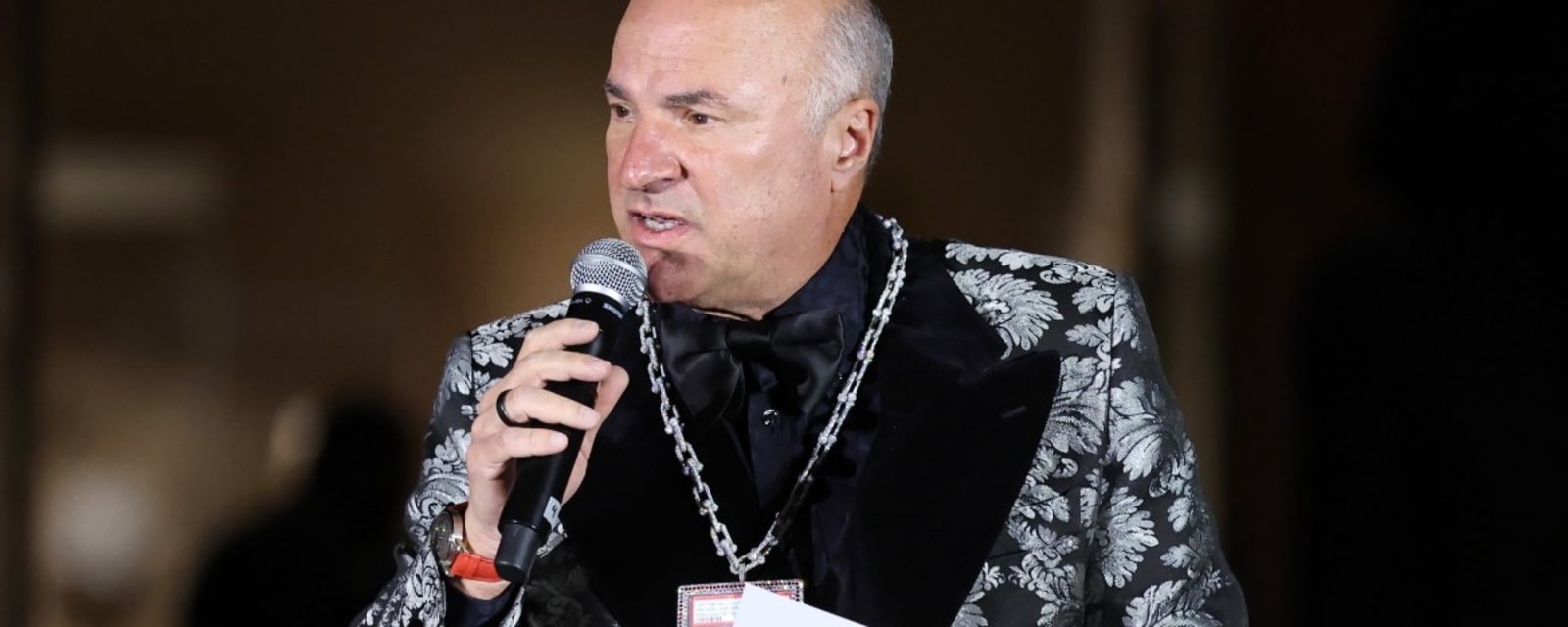
- • Kevin O'Leary, Shark Tank investor, repeated his advice that Americans save 15% of each paycheck and invest it in the stock market, during a Jubilee Media debate posted Nov. 15 titled "1 Millionaire Boss vs 20 Gen Z Workers."
- • A software engineer named Joe challenged the labor-capital bargain, arguing workers who create profits should receive a bigger share, citing Starbucks, which reported $37.9 billion in revenue for the fiscal year ended Sept. 27, and Amazon's RSU compensation gaps.
- • O'Leary argued labor market forces set compensation and that equity cannot be offered in every business, such as a utility, and when asked what investors contribute, he answered "Money."
- • Joe questioned affordability of the 15% rule for workers already struggling, citing security guard Kieran who said he spends 55% of his income on rent while working 80-hour weeks.
- • Both sides agreed SpaceX's IPO, expected to make more than 4,400 current and former employees millionaires, was a positive outcome, though Joe argued such windfalls are the exception.
Summary
Shark Tank investor Kevin O'Leary restated a familiar prescription for building wealth: reduce spending, save 15% of every paycheck, and let returns compound in the stock market. Speaking at a Jubilee Media-hosted debate with 20 Gen Z workers, published on the YouTube series "Surrounded" on Nov. 15, O'Leary was challenged by participants questioning how the modern economy divides returns between labor and capital. The roughly eight-minute exchange on whether workers deserve a larger share of profits became one of the main flashpoints of the nearly two-hour event.
The discussion opened with a hypothetical about Starbucks, which reported $37.9 billion in revenue for the fiscal year ended Sept. 27 and recently raised its dividend. Joe, a software engineer, argued that workers making and serving coffee should share in those profits, and pointed to the dividend as evidence the company already distributes profits to shareholders. O'Leary countered that such a shift would shortchange the investors who supplied capital. The debate then turned to Amazon, which this year overtook Walmart as the No. 1 company on the 2026 Fortune 500. Joe argued that equity compensation, including restricted stock units, can split sharply by role, with a software engineer potentially receiving substantial RSUs while a warehouse worker receives none. O'Leary responded that the labor market ultimately determines pay, and that Amazon would need to raise wages if it could not staff its warehouses. He also said equity could not be distributed across every business, noting "You can't give equity to a utility."
Joe proposed dividends or profit-sharing as alternatives, citing Mark Cuban, who has given employees equity at companies he founded and urged other CEOs to do the same. Both participants found common ground in SpaceX, whose June IPO was expected to make more than 4,400 current and former employees millionaires; O'Leary said he was fine with that outcome, though Joe noted such windfalls are the exception. When pressed on what investors contribute, O'Leary said he backs entrepreneurs with promising plans and provides capital, and when asked what he brought to the table, he replied, "Money."
The exchange returned to O'Leary's personal-finance advice. He has argued that someone earning $68,000 a year could retire a millionaire by consistently investing 15% of income over a career. Joe questioned the feasibility of that approach for workers already stretched thin, citing security guard Kieran, who described working 80 hours a week while spending 55% of his income on rent. O'Leary said people could cut unnecessary purchases. The debate closed with O'Leary saying Joe would make "good television" and inviting him onto Shark Tank; Joe declined, saying he did not want to be an entrepreneur and just wanted to live.
Go deeper than the headline
Research every firm in this story, track the ones that matter and get the daily briefing — free for 7 days.