
Key Takeaways
- • The Strategic Petroleum Reserve has dwindled to approximately 293 million barrels, approaching a critical operational floor that threatens to expose aging Gulf Coast infrastructure to unprecedented engineering risks.
- • The SPR's 60 salt caverns across Texas and Louisiana operate on a liquid displacement system requiring permanent maintenance of 714 million barrels total fluid volume; dropping below 300 million barrels of crude oil forces reliance on heavy salt brine and creates structural instability risks.
- • Engineering constraints inherent to solution-mined salt cavities—which would collapse inward without fluid pressure if emptied—create a hard physical limit that combines with federal statutory requirements and geopolitical pressures into a multi-layered constraint on U.S. energy security policy.
- • Operating below the 300-million-barrel threshold pushes decades-old infrastructure into uncharted operational territory, forcing policymakers to balance immediate energy security demands against the long-term structural integrity of the nation's critical petroleum reserve system.
Summary
The United States Strategic Petroleum Reserve is approaching a critical inflection point. Current crude oil inventories stand at approximately 293 million barrels—just above an operational floor below which the aging subsurface infrastructure faces severe engineering risks. This dwindling buffer represents a fundamental constraint on American energy security policy at a moment of sustained geopolitical pressure and demand volatility.
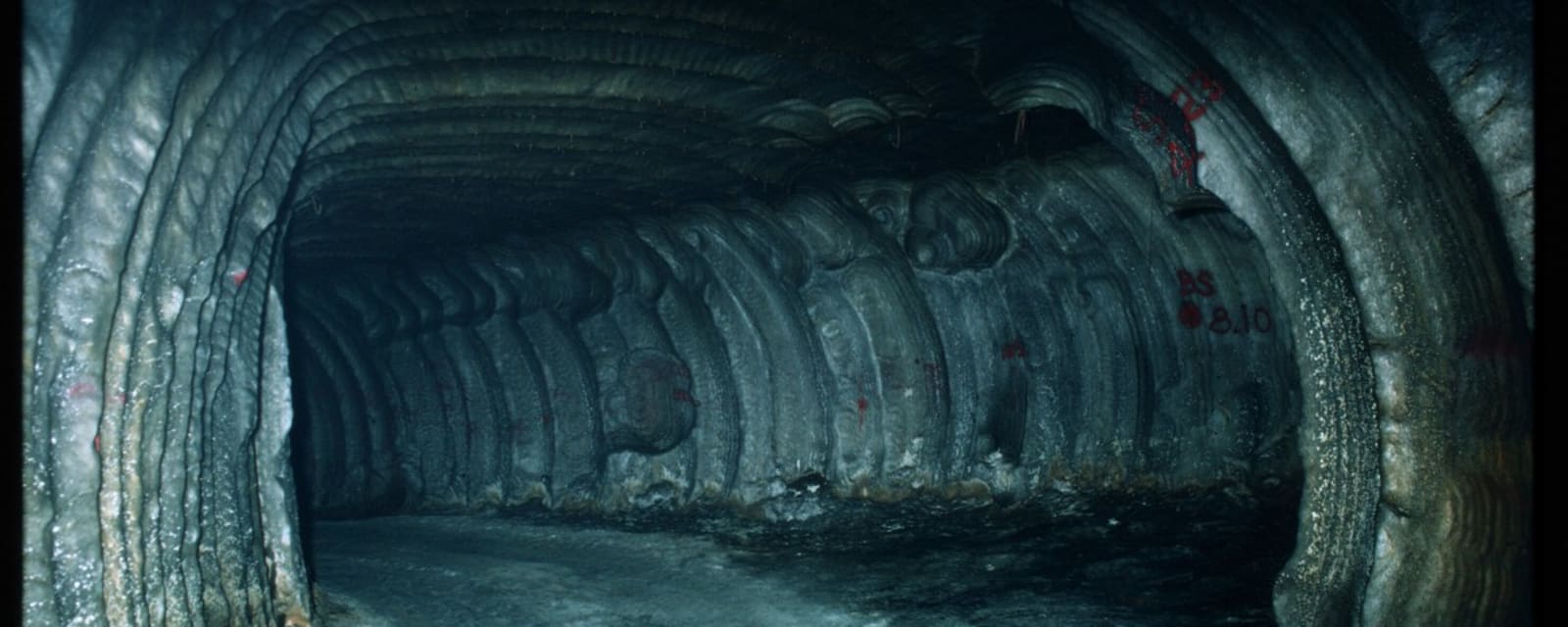
The SPR comprises 60 massive underground salt caverns distributed across four storage sites in Texas and Louisiana, representing a combined authorized capacity of 714 million barrels. These solution-mined cavities are extraordinary engineering structures—individual caverns measure approximately 300 feet wide and 2,000 feet tall, large enough to contain the Empire State Building. However, this scale creates an inescapable physical constraint: the system operates entirely on liquid displacement principles. The immense geological weight of overlying strata requires permanent fluid pressure to prevent the salt domes from collapsing inward. Consequently, total fluid volume inside the reserve must be continuously maintained at 714 million barrels, regardless of crude oil inventory levels.
The structural reality defines the operational floor. The remaining volume above the current 293 million barrels of crude oil is heavy salt brine—a displacement fluid necessary to maintain cavern structural integrity. Operating below the 300-million-barrel crude threshold forces the system to rely increasingly on this brine displacement mechanism while managing an aging infrastructure never designed for sustained operation at such minimal crude inventories. This combination of physical constraint, aging equipment, strict federal statute governing reserve operations, and relentless geopolitical pressure creates a multi-dimensional policy challenge with no straightforward resolution.
The implications for energy security are stark. The reserve serves as America's strategic hedge against supply disruptions, but current inventory levels leave minimal margin for error. Policymakers must now navigate the tension between immediate energy security demands and the long-term structural viability of critical infrastructure that underpins the nation's petroleum security posture.
Go deeper than the headline
Research every firm in this story, track the ones that matter and get the daily briefing — free for 7 days.