
Key Takeaways
- • Former Aetna CEO Mark Bertolini, now CEO of Oscar Health, said CVS bought Aetna for almost $70 billion in 2018 mainly to take its earnings and revenue stream and hide problems CVS "never really fixed," adding "You'd never do that deal now."
- • CVS announced on Nov. 4 that it will split in two: Aetna and Caremark stay together, while roughly 9,000 stores and MinuteClinic will be spun off as CVS Pharmacy by the first half of 2028; CVS shares fell 12.5% that day, wiping out nearly $15 billion in market value.
- • Bertolini called for eliminating employer-sponsored health insurance, citing 74% of large employers considering defined contribution and advocating portable accounts such as HSAs or HRAs.
- • Oscar Health reported third-quarter net income of $167.3 million versus a $137.5 million loss a year earlier, on revenue of $5.14 billion (up 72%) and about 2.69 million members.
Summary
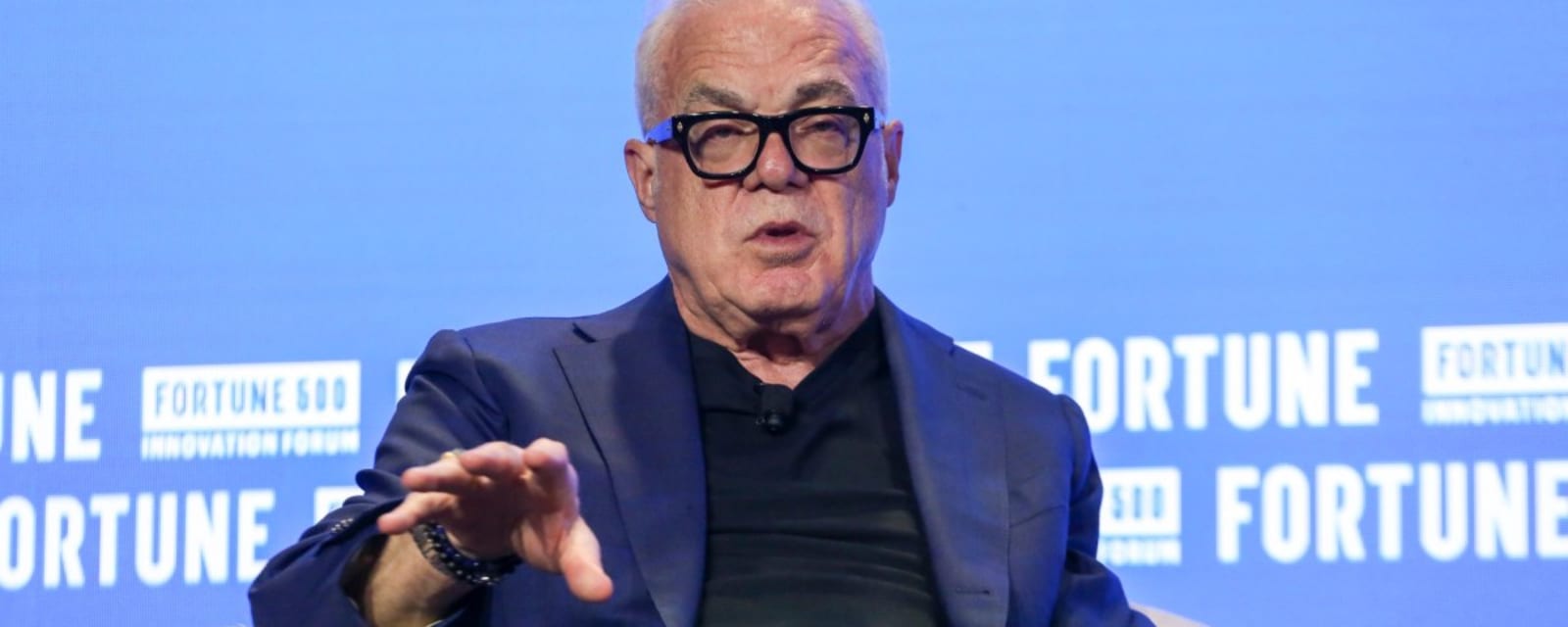
Speaking at the Fortune 500 Innovation Forum in Detroit, Mark Bertolini said CVS Health's 2018 acquisition of Aetna for almost $70 billion was driven by a desire to "take the earning stream and revenue stream from [Aetna] to hide a bunch of other things that they never really fixed," according to Fortune. He linked the comments to CVS's planned breakup, saying, "You'd never do that deal now." Bertolini ran Aetna from 2011 through the sale and has led Oscar Health since April 2023.
The remarks come two weeks after CVS said it will separate into two companies. CVS Health will retain Aetna and the Caremark pharmacy benefit manager, while roughly 9,000 stores and MinuteClinic will be spun off as CVS Pharmacy by the first half of 2028. CVS shares closed down 12.5% on Nov. 4, the day of the announcement. CVS declined to comment on Bertolini's remarks; spokesperson David Whitrap said the split is "the right decision, at the right time" and that the company is "getting ahead of the external market dynamics from a position of strength." CEO David Joyner told Reuters the businesses are "running really well." Bertolini described the original Aetna deal as intended to create "a new front door for health care" at CVS stores, a vision he said was never fully pursued. He was removed from CVS's board in February 2020, and said at the time he was pushed out before the Aetna integration was complete; CVS said the board felt it was the right time for him to focus on other endeavors.
Bertolini also argued that employer-sponsored health insurance should be eliminated, citing consolidation among doctors, hospitals and insurers that has eroded employers' bargaining power. He said 74% of large employers are considering defined contribution plans and favors portable accounts such as HSAs or HRAs. KFF's annual survey put family premiums for employer coverage above $28,000 in 2026, with workers paying $7,471. Ro CEO Zach Reitano, also on stage, argued that the patient is "not the customer" in the current system.
Oscar, which sells plans on the Affordable Care Act exchanges, reported third-quarter net income of $167.3 million against a $137.5 million loss a year earlier, with revenue of $5.14 billion, up 72%. Bertolini said 67% of Oscar's coding is now performed by AI agents, the company runs 40 large language models, and it has removed $1.2 billion from operating costs over three years.
Go deeper than the headline
Research every firm in this story, track the ones that matter and get the daily briefing — free for 7 days.