
Key Takeaways
- • White Oak Pastures, the 5,700-acre regenerative farm in Bluffton, Georgia run by 71-year-old Will Harris, generates about $30 million a year and employs 170 people, according to Fortune.
- • Harris says the traditional cattle cycle, in which record beef prices prompt ranchers to rebuild herds, has broken because land now costs more than cattle can pay for.
- • The U.S. cattle herd is at a 75-year low due to drought and record operating costs, and ground beef hit a record $6.90 per pound earlier this year.
- • Institutional investors and developers, including data center companies, are outbidding farmers for farmland across rural Georgia.
- • Since Jan. 1, the USDA has reserved the "Product of USA" label for meat from animals born, raised, slaughtered and processed in the U.S., a change that ends a rule that had hurt White Oak's margins.
- • Harris is training new ranchers through his nonprofit Center for Agricultural Resilience and is open to a data center in Clay County despite his concerns.
Summary
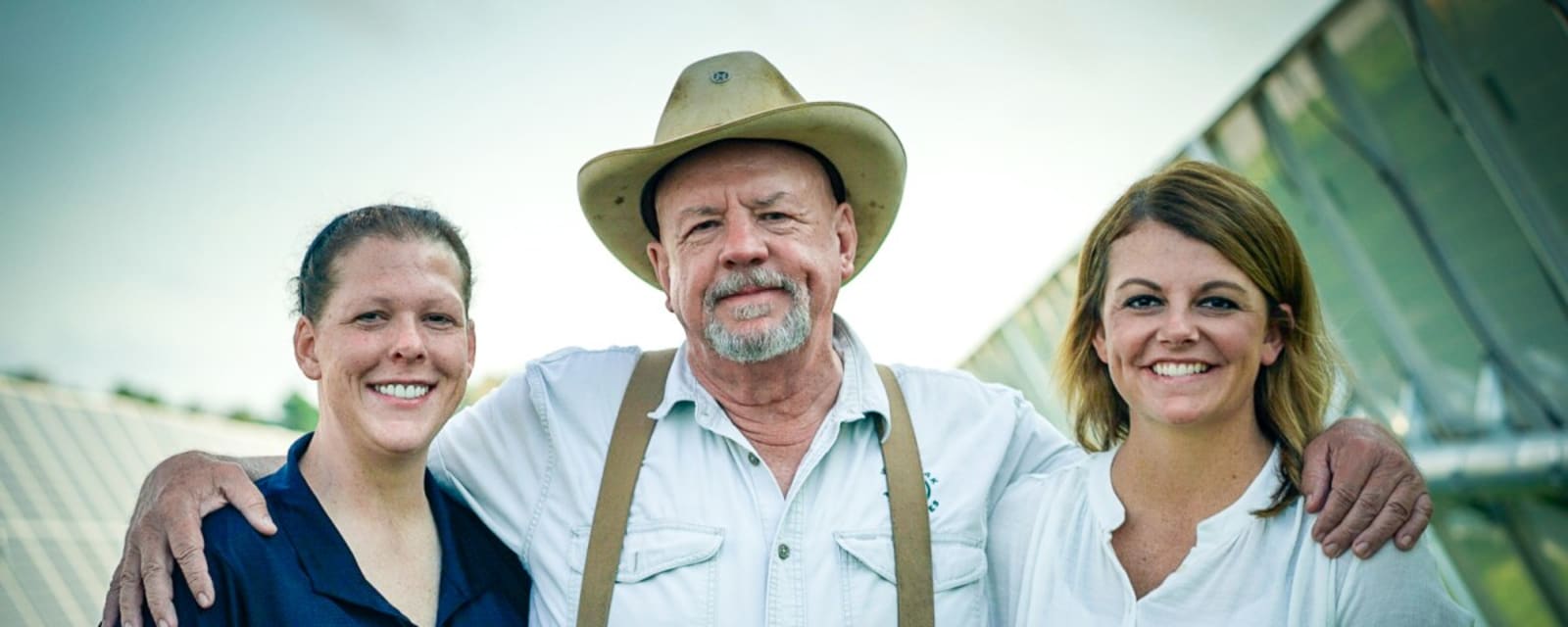
Will Harris, 71, has built White Oak Pastures from a family operation on land his great-grandparents worked from 1866 into a 5,700-acre regenerative farm that he told Fortune is the largest private employer in Clay County. The farm employs 170 people, a workforce larger than the population of Bluffton, which had 117 residents at the last census. Its livestock business processes meat and sells it directly to consumers, generating $30 million annually.
Harris says the traditional cattle cycle has broken. Historically, record cattle prices prompted ranchers to rebuild herds. Today, land costs more than cattle can pay for, as institutional investors and developers outbid farmers across rural Georgia. The U.S. cattle herd is at a 75-year low due to drought and record operating costs, and ground beef reached a record $6.90 per pound earlier this year. Harris said a data center has been approved for construction in Clay County but has not yet started building. "The land is moving out of the hands of the farmer or cattle producers into the hands of others," he said.
White Oak's business has shifted substantially. Harris's father stopped slaughtering and delivering meat after World War II and used pesticides and chemical fertilizers to cut costs. Harris reversed course in the 1990s, adopting a regenerative approach that raises cattle alongside sheep, pigs, goats, and poultry. Sales through Whole Foods and Publix grew to about $25 million by 2015, but profitability fell after changes to country-of-origin labeling allowed imported beef processed in the U.S. to carry a "Product of USA" label. Harris said the USDA's rule effective Jan. 1 restricts that label to U.S.-born, raised, slaughtered, and processed meat. The pandemic also prompted the launch of an online store, and Harris opened a physical store in Atlanta this year, though he said he has no plans for further expansion. "We want to do better, not bigger," he said.
Harris is also investing in the next generation of farmers. His nonprofit, the Center for Agricultural Resilience, takes six interns per quarter for three-month stints, and White Oak offers jobs to about half of them. He runs week-long cattle and hog courses monthly, drawing 25 to 30 participants from across the U.S. and abroad. He argues that large meatpackers such as Tyson and Cargill have captured a growing share of agricultural profits since World War II, leaving rural counties economically weakened, which is why he is open to data centers as "some initial relief," though he said he is unsure they are the right answer.
Go deeper than the headline
Research every firm in this story, track the ones that matter and get the daily briefing — free for 7 days.