
Key Takeaways
- • Four major U.S. systems failed in six days, including a nearly 24-hour Microsoft 365 outage traced to a bug in a July update to networking gateway servers, a more than four-hour nationwide FAA ground stop with over 9,100 flights canceled, customer disruptions at Chase and Wells Fargo, and an NSA classified network "temporary degradation" during routine maintenance.
- • Published CVEs passed 100,000 on Nov. 13, 2026 per VulnCheck, more than double all of 2025, with 89,849 recorded through October versus 39,638 in the same months of 2025.
- • Secretary of State Marco Rubio said the U.S. is "not under systemic attack," citing "zero evidence whatsoever" of a connection between the disruptions, while cybersecurity expert Nicole Perlroth warned of a "vulnpocalypse."
- • The count of vulnerabilities flagged for urgent patching has not grown much, and IBM stated its data "does not establish a direct causal relationship" between AI and the rise in disclosures.
- • The median time from CVE publication to exploitation fell from 120 days in 2025 to 80 days in the first half of 2026 per VulnCheck, and CrowdStrike found 88% of proof-of-concept exploitation occurred within 48 hours of release.
Summary
In a six-day span, Microsoft 365 went offline for nearly 24 hours, the FAA halted all flights nationwide for more than four hours, customers of Chase and Wells Fargo were unable to access their accounts, and the National Security Agency's classified internal network went dark. The FAA's ground stop was the longest nationwide halt since the September 11, 2001 shutdown. According to FlightAware data cited by Fox Weather, more than 9,100 flights were canceled on the Friday of the halt. Microsoft attributed its outage to a bug introduced in a July update to its networking gateway servers, as reported by BleepingComputer. Transportation Secretary Sean Duffy blamed "routine maintenance" by a contractor replacing copper wiring with fiber, Chase cited a "technical issue," Apple said a faulty internal update disrupted iCloud and other services, and the NSA described a "temporary degradation" during routine maintenance. No company or agency has characterized the incidents as attacks.
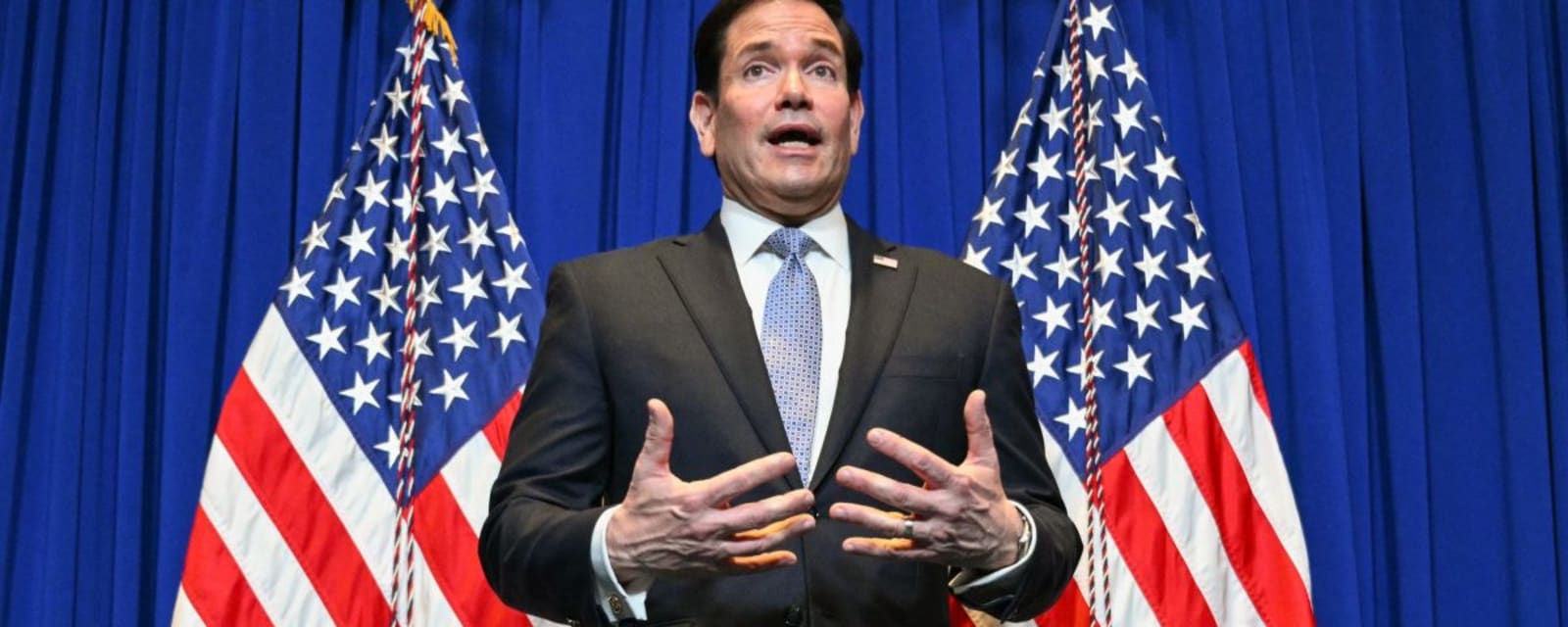
Nicole Perlroth, a prominent cybersecurity commentator, described the period as one of "unprecedented technological instability" and coined the term "vulnpocalypse" in a post on X. Speaking from Manila on Wednesday, Secretary of State Marco Rubio said the U.S. is "not under systemic attack" and that every event "has an explanation or a cause," according to Forbes. He noted that patching vulnerabilities can cause a "short-term disruption" in system operations. President Donald Trump offered a dismissive assessment, saying, "It's fine."
Perlroth's central argument is that AI is accelerating vulnerability discovery faster than vendors can remediate. The data partly supports this. VulnCheck reported that 2026 CVE publications passed 100,000 on Nov. 13, more than double the total for 2025. A recount of CVE Project records showed 89,849 entries through October compared with 39,638 in the same months a year earlier, and October alone recorded 17,049, nearly four times October 2025. IBM X-Force counted a 578% increase in disclosures across Microsoft, Oracle, Chrome and Apache through September. However, CVE records do not indicate whether AI discovered a given flaw, and IBM stated its data "does not establish a direct causal relationship." The number of flaws on CISA's exploited list or with high exploit odds has not grown significantly, and Perlroth's claim that high and critical vulnerabilities have tripled is not broken out in these datasets.
On speed, VulnCheck found the median time from publication to exploitation dropped from 120 days in 2025 to 80 days in the first half of 2026, and CrowdStrike found that 88% of exploitation using public proof-of-concept code occurred within 48 hours of release. Rubio and Perlroth both point to the same pipeline: more vulnerabilities produce more patches, and faster exploitation leaves less time for testing. The July 2024 CrowdStrike update, which crashed more than 8.5 million Windows machines, offers a precedent. Parametrix estimated $5.4 billion in direct losses for the Fortune 500 and said cyber insurance would cover only 10% to 20% of that amount. Honeywell Technologies CEO Vimal Kapur told Fortune's Innovation Forum in Detroit that accumulated software complexity has outpaced human oversight of industrial systems. The next test of the patch process is Microsoft's Patch Tuesday on Dec. 8.
Nicole Perlroth, a prominent cybersecurity commentator, described the period as one of "unprecedented technological instability" and coined the term "vulnpocalypse" in a post on X. Speaking from Manila on Wednesday, Secretary of State Marco Rubio said the U.S. is "not under systemic attack" and that every event "has an explanation or a cause," according to Forbes. He noted that patching vulnerabilities can cause a "short-term disruption" in system operations. President Donald Trump offered a dismissive assessment, saying, "It's fine."
Perlroth's central argument is that AI is accelerating vulnerability discovery faster than vendors can remediate. The data partly supports this. VulnCheck reported that 2026 CVE publications passed 100,000 on Nov. 13, more than double the total for 2025. A recount of CVE Project records showed 89,849 entries through October compared with 39,638 in the same months a year earlier, and October alone recorded 17,049, nearly four times October 2025. IBM X-Force counted a 578% increase in disclosures across Microsoft, Oracle, Chrome and Apache through September. However, CVE records do not indicate whether AI discovered a given flaw, and IBM stated its data "does not establish a direct causal relationship." The number of flaws on CISA's exploited list or with high exploit odds has not grown significantly, and Perlroth's claim that high and critical vulnerabilities have tripled is not broken out in these datasets.
On speed, VulnCheck found the median time from publication to exploitation dropped from 120 days in 2025 to 80 days in the first half of 2026, and CrowdStrike found that 88% of exploitation using public proof-of-concept code occurred within 48 hours of release. Rubio and Perlroth both point to the same pipeline: more vulnerabilities produce more patches, and faster exploitation leaves less time for testing. The July 2024 CrowdStrike update, which crashed more than 8.5 million Windows machines, offers a precedent. Parametrix estimated $5.4 billion in direct losses for the Fortune 500 and said cyber insurance would cover only 10% to 20% of that amount. Honeywell Technologies CEO Vimal Kapur told Fortune's Innovation Forum in Detroit that accumulated software complexity has outpaced human oversight of industrial systems. The next test of the patch process is Microsoft's Patch Tuesday on Dec. 8.
Go deeper than the headline
Research every firm in this story, track the ones that matter and get the daily briefing — free for 7 days.