
Key Takeaways
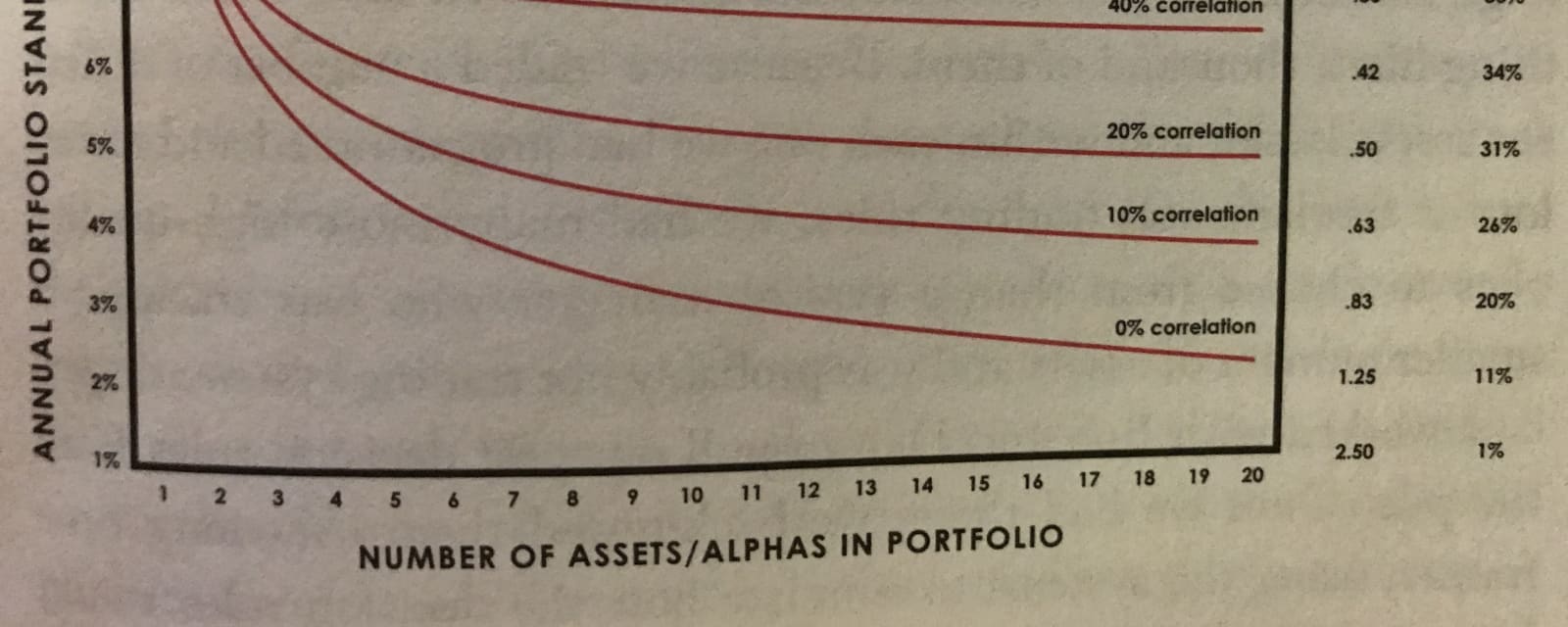
- • Managed Futures ETFs offer portfolio diversification through uncorrelated returns — strategies that generate performance independent of traditional stock and bond markets by trading futures on commodities, currencies, and interest rates.
- • Dynamic Beta Investments launched DBMF (DBi Managed Futures Strategy ETF) to democratize access to managed futures strategies historically available only through expensive hedge fund vehicles, delivering institutional-quality exposure through low-cost, liquid ETF structures.
- • Andrew Beer, hedge fund veteran and Dynamic Beta founder, positions managed futures as a core diversification tool for investors seeking to reduce portfolio correlation and enhance risk-adjusted returns in multi-asset portfolios.
- • Managed futures address a fundamental portfolio construction challenge — the need to combine return streams that do not move in tandem with equities or fixed income, critical for building resilient institutional-grade portfolios.
Summary
Managed futures strategies have emerged as a preferred tool for institutional investors seeking genuine portfolio diversification through uncorrelated return streams. Unlike traditional equity or bond investments, managed futures generate returns by trading futures contracts across commodities, currencies, and interest rate markets—asset classes that typically move independently of stock and bond performance. This structural independence makes managed futures particularly valuable for investors attempting to reduce overall portfolio correlation and improve risk-adjusted outcomes.
Andrew Beer, a veteran of the hedge fund industry, founded Dynamic Beta Investments to address a persistent market inefficiency: managed futures strategies have historically been accessible only through expensive hedge fund vehicles with high fees and limited liquidity. The firm's flagship offering, the DBi Managed Futures Strategy ETF (DBMF), replicates the performance characteristics of traditional managed futures portfolios while delivering them through a transparent, low-cost, liquid ETF wrapper. This structural innovation allows institutional and individual investors to access institutional-grade diversification strategies without the traditional cost barriers.
The strategic rationale underlying the managed futures approach aligns with fundamental portfolio theory. As investors face persistent challenges in traditional 60/40 stock-bond allocations—particularly during periods of simultaneous equity and fixed income stress—alternative return streams become essential. Managed futures' capacity to generate positive returns across varied market regimes, including equity downturns, addresses a critical gap in conventional portfolio construction. By incorporating trading strategies across multiple uncorrelated asset classes, managed futures portfolios seek to provide resilience during market dislocations while maintaining exposure to positive expected returns under normal conditions.
The podcast discussion frames managed futures within the broader context of portfolio construction and fee reduction, emphasizing that sophisticated investors increasingly demand both diversification and cost efficiency. The ETF structure democratizes access to strategies previously reserved for high-net-worth clients and institutional allocators, representing a meaningful shift in how alternative strategies reach the broader investment market.
Go deeper than the headline
Research every firm in this story, track the ones that matter and get the daily briefing — free for 7 days.