
Key Takeaways
- • IPM Informed Portfolio Management AB reported a 6% gain in January 2016 for its systematic, fundamental, predominantly relative value macro strategy, following a 4.4% gain in 2015 and a 14.6% gain in 2014, according to The Hedge Fund Journal.
- • Macro strategy assets reached roughly $1.6 billion, with net inflows of $80 million in January 2016 alone.
- • IPM expanded its access routes with onshore liquid alternatives UCITS and '40 Act vehicles, alongside Cayman and Ireland funds, managed accounts, and managed account platforms.
- • Currencies were the largest contributor to 2015 performance at 7.3%, while the strategy's risk premia and valuation models underperformed expectations.
- • The strategy has had only one losing year (2011) since its fund-format launch in 2006, and targets volatility below its 15% risk budget.
Summary
IPM Informed Portfolio Management AB, one of The Hedge Fund Journal's Europe 50 managers, runs a systematic, fundamental, predominantly relative value macro strategy. According to the publication, the strategy has continued to deliver uncorrelated returns despite a difficult post-crisis environment for global macro managers. The fund rose 6% in January 2016, after gaining 4.4% in 2015 and 14.6% in 2014. Head of Client Portfolio Management Serge Houles said IPM has delivered average annual returns of around 10% with volatility well inside its 15% risk budget and no correlation to conventional asset classes or other hedge fund strategies. The fund will mark its 10th anniversary in June 2016, and the firm was founded in 1998.
Assets in the macro strategy have grown to around $1.6 billion, driven by both performance and net inflows of $80 million in January. To support growth, IPM hired a new CEO and expanded certain teams. The strategy is now available through onshore liquid alternatives UCITS and '40 Act vehicles as well as Cayman and Ireland funds, a shift the firm made in response to the evolving regulatory climate. IPM also offers dedicated managed accounts and is investible through several managed account platforms.
Chief Investment Officer Bjorn Osterberg attributed January's gains to relative currency positions, including long yen, Swiss franc and euro against short carry and commodity currencies, along with long US Treasuries versus a basket of developed market bonds. The volatility overlay cut exposure mid-month to stay within the volatility cap for developed currencies. In 2015, currencies were the largest contributor to performance at 7.3%. Short positions in carry and commodity currencies, including the Canadian dollar, were a key driver, while a long euro position was among the biggest winners despite the currency's decline over the year. IPM does not trade commodities directly but gains indirect exposure through commodity currencies.
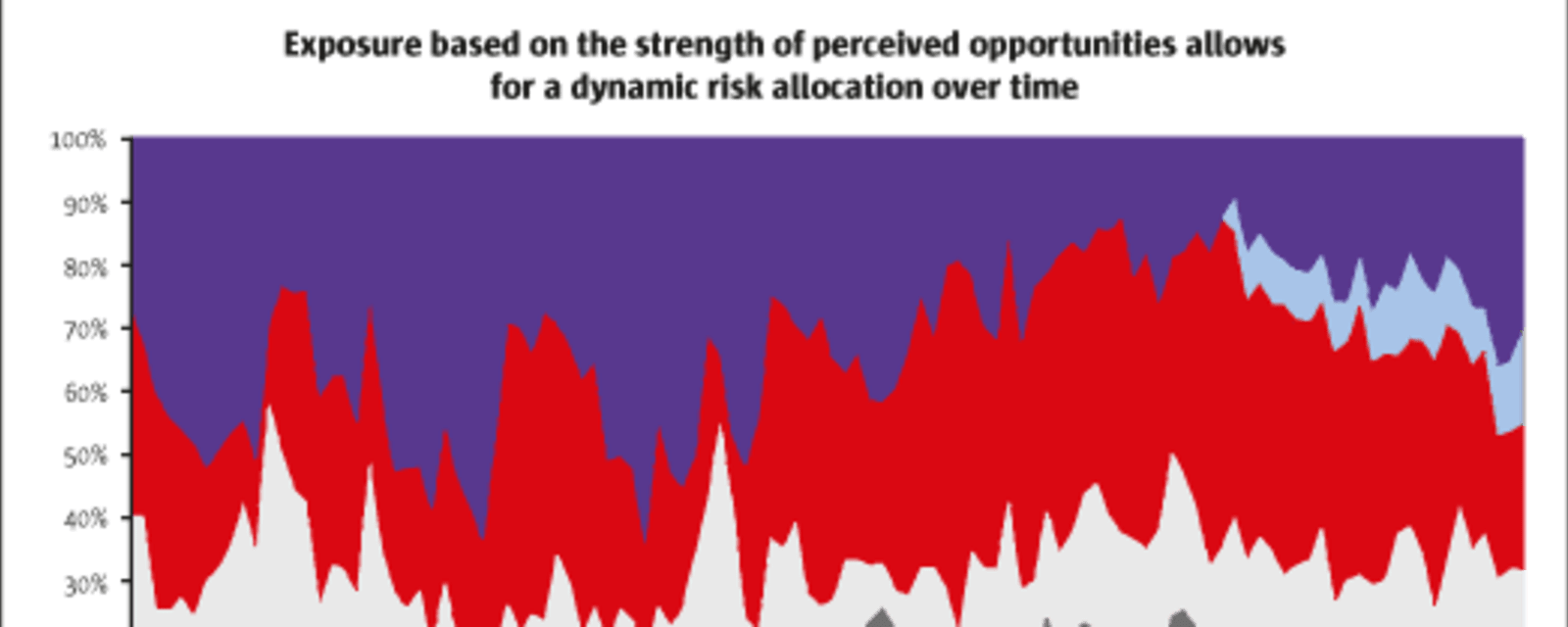
IPM's risk premia and valuation models underperformed expectations recently, while macroeconomic and market dynamics models performed better. The firm sizes positions in proportion to models' perception of the opportunity set and does not target constant volatility or use risk parity. Osterberg said that a wide array of signals is needed to build a large position.
Most of the book is relative value and more diversified than discretionary macro managers. A directional sleeve, around 15% of the risk budget, contributed 1% to 2015 performance.
Assets in the macro strategy have grown to around $1.6 billion, driven by both performance and net inflows of $80 million in January. To support growth, IPM hired a new CEO and expanded certain teams. The strategy is now available through onshore liquid alternatives UCITS and '40 Act vehicles as well as Cayman and Ireland funds, a shift the firm made in response to the evolving regulatory climate. IPM also offers dedicated managed accounts and is investible through several managed account platforms.
Chief Investment Officer Bjorn Osterberg attributed January's gains to relative currency positions, including long yen, Swiss franc and euro against short carry and commodity currencies, along with long US Treasuries versus a basket of developed market bonds. The volatility overlay cut exposure mid-month to stay within the volatility cap for developed currencies. In 2015, currencies were the largest contributor to performance at 7.3%. Short positions in carry and commodity currencies, including the Canadian dollar, were a key driver, while a long euro position was among the biggest winners despite the currency's decline over the year. IPM does not trade commodities directly but gains indirect exposure through commodity currencies.
IPM's risk premia and valuation models underperformed expectations recently, while macroeconomic and market dynamics models performed better. The firm sizes positions in proportion to models' perception of the opportunity set and does not target constant volatility or use risk parity. Osterberg said that a wide array of signals is needed to build a large position.
Most of the book is relative value and more diversified than discretionary macro managers. A directional sleeve, around 15% of the risk budget, contributed 1% to 2015 performance.
Go deeper than the headline
Research every firm in this story, track the ones that matter and get the daily briefing — free for 7 days.