
Key Takeaways
- • Family offices are increasingly directing capital toward Ukrainian military technology, with some shifting from long-term port, rail and agricultural reconstruction projects to defence tech needing immediate finance, according to Professional Wealth Management (PWM).
- • Bertrand Coste, scion of the Schlumberger oil exploration family and head of multi-family office Clerville Investment Management, is pursuing projects combining Ukrainian defence technology with data centres and generator-based energy efficiency.
- • Roman Nikitov, partner at United Heritage funds group in Warsaw, estimates around 3,000 early-stage private sector enterprises are operating in Ukraine, most developing just one product type.
- • Wealth managers in Slovakia report that security concerns have not translated into increased demand for defence investments, with clients prioritising return potential and established businesses.
- • Ukrainian investors argue local capital is available for sound projects, while Western investors are criticised for seeking guarantees, and industry participants caution that drone market demand could fall sharply after the war ends.
Summary
Family offices are increasingly weighing investments in Ukraine's wartime innovation sector, according to Professional Wealth Management. Bertrand Coste, scion of the Schlumberger oil exploration family, is a case in point. His multi-family office, Clerville Investment Management, focuses mainly on fixed income and structured products, but he has long pursued Ukrainian side projects, including funding archaeological excavations of Iron Age Trypillian settlements in Cherkasy region over the past decade. Coste previously bought a garment factory in Kyiv, later sold to a local tycoon. He now says he is looking to combine Ukrainian defence work with data centres, which consume substantial energy, and to improve energy efficiency from generators during peak demand. He attended the Yalta European Strategy conference, organised by the Victor Pinchuk Foundation, to meet leaders in AI and dual-use equipment.
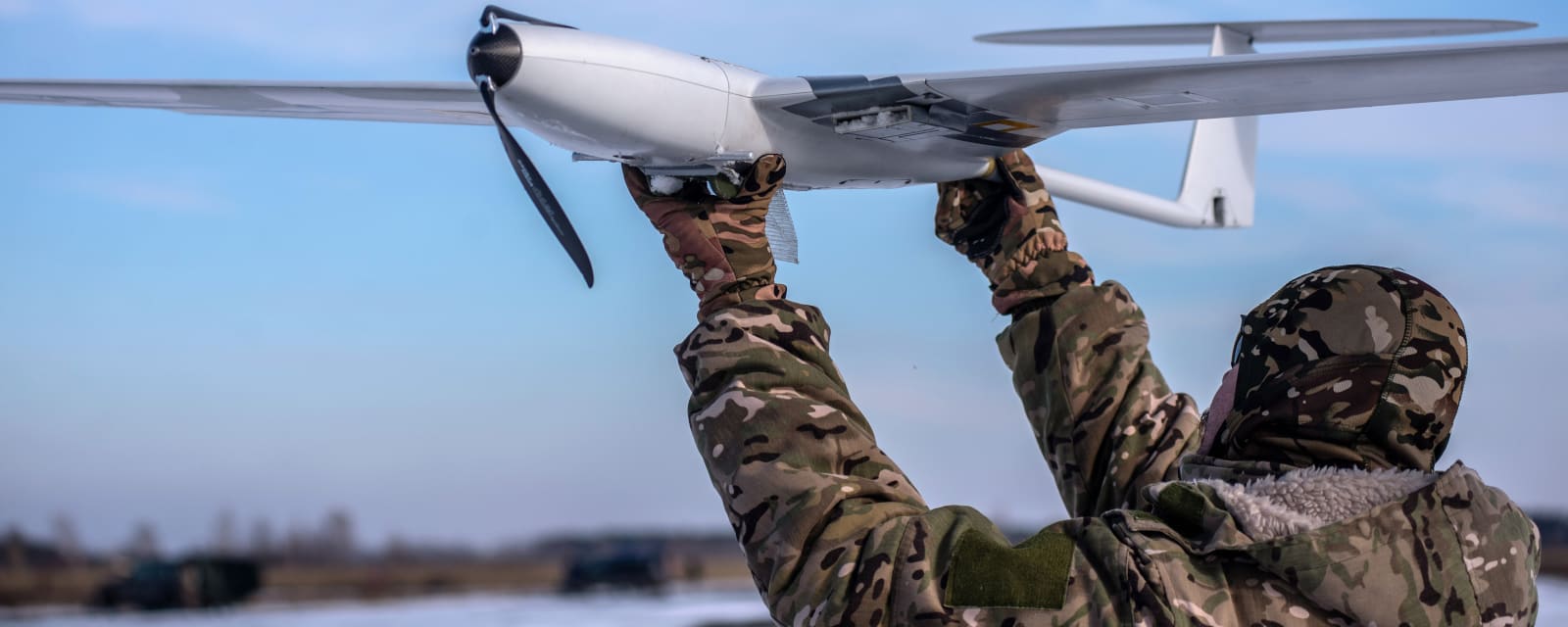
PWM reports that some family offices and investment firms are shifting from long-term infrastructure and agricultural modernisation toward military technology requiring immediate finance. Coste cautioned that drone manufacturing, where he sees capacity to produce four to eight million drones annually, carries a risk: demand could fall by 95 per cent once the war ends, and civilian drones used for infrastructure protection are a much smaller market.
Roman Nikitov, partner at United Heritage in Warsaw, which also works with Ukrainian fund house ICU, says Ukraine has roughly 3,000 early-stage private sector enterprises, most developing a single product type, and that Ukrainian defence technologies have accumulated significant use cases. He expects innovations such as swarm logistics technologies to be redeployed to protect critical infrastructure postwar, both in Ukraine and neighbouring European countries.
Roman Motychak, a Kyiv-based renewable energy expert, argues that Western investors often think in terms of recovery rather than the immediate need to win the war. He says local capital is available for projects with strong returns, and that Western investors' demands for security and guarantees slow deals.
In Slovakia, Diana Janošťáková, director of private wealth and institutions at Wealth Effect Management in Bratislava, says clients invest for opportunity rather than fear and have not increased defence allocations because of security concerns. Clients prefer established defence businesses over speculative early-stage companies, and her firm favours software, semiconductors, data centres and energy infrastructure. She also flagged the first major intergenerational wealth transfer in central and eastern Europe as a defining theme for the coming decade.
Go deeper than the headline
Research every firm in this story, track the ones that matter and get the daily briefing — free for 7 days.