
Key Takeaways
- • Oregon Treasurer Tobias Read privately warned in August 2024 emails that the state's private equity holdings may pose too much risk to the PERS fund, which covers 415,000 Oregonians, according to emails obtained by the Oregon Journalism Project (OJP).
- • PERS private equity investments, which make up one quarter of the $100 billion fund, have underperformed benchmarks over the past 10 years and exceeded the agreed 20% target allocation, per an OJP investigation.
- • Treasurer Elizabeth Steiner said the treasury plans to invest $2 billion in private equity in 2025 while reducing the portfolio by billions of dollars to reach the 20% target by the end of 2028.
- • Six Oregon lawmakers, unions, and Divest Oregon sent a joint letter with detailed questions to Steiner and the Oregon Investment Council ahead of a Sept. 3 public meeting.
Summary
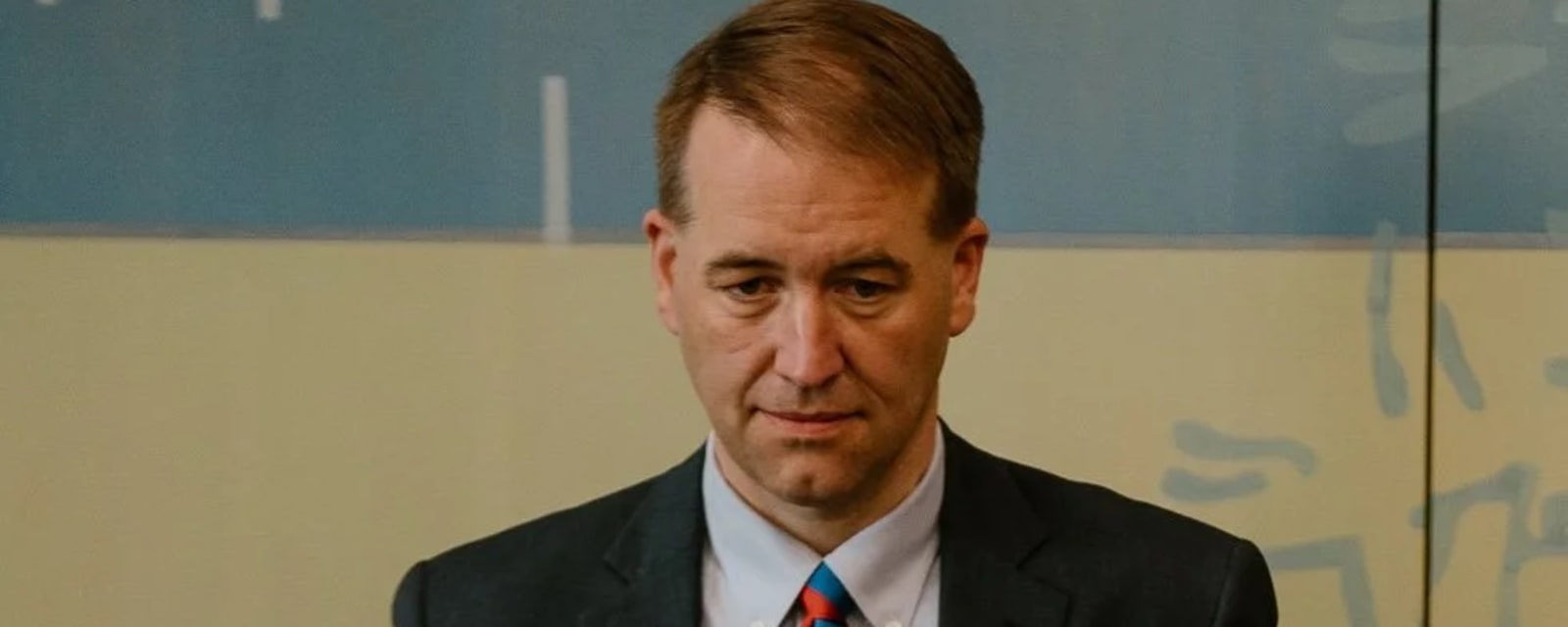
According to emails obtained by the Oregon Journalism Project (OJP), former Oregon State Treasurer Tobias Read, who served eight years, told key aides in August 2024 that he worried the state's private equity holdings might pose excessive risk to the Public Employees Retirement System (PERS) fund. In the emails, Read wrote, "I worry [about]...our private equity asset class generally, which has underperformed for years now," and asked chief investment officer Rex Kim's staff to prepare a white paper on risk by the end of October. OJP reports the treasury has not confirmed whether that paper was written.
Private equity accounts for one quarter of the PERS fund, which totals roughly $100 billion. OJP's investigation found that PERS private equity investments over the past decade produced returns significantly below the fund's benchmark. The treasury also held billions of dollars more in private investments than the 20% target recommended by outside advisers and approved by the Oregon Investment Council (OIC). The overweight position dragged on overall fund returns and left the fund underinvested in public equities, which rose strongly last year. The article notes that private equity firms such as Apollo, Blackstone and KKR typically charge 2% annual management fees and 20% of profits, and face limited public disclosure.
Six Oregon lawmakers, the American Federation of Teachers-Oregon, the American Association of University Professors-Oregon and the activist group Divest Oregon sent a joint letter to State Treasurer Elizabeth Steiner and OIC members raising concerns about the portfolio's performance. The letter argues that losses have increased the tax burden on public employers, including schools that have laid off teachers. State Sen. Khanh Pham (D-Portland) said, "it's clearly not working now," and the lawmakers plan to meet with Steiner and her staff on Sept. 4. The OIC will discuss the issues at a public meeting on Sept. 3 in Tigard.
In an interview with OJP, Steiner said staff will continue investing PERS funds with private equity firms, including $2 billion in 2025, but are now selling more than they buy. She said the treasury adopted a plan in October 2024 to reduce its private equity holdings by billions of dollars to reach the 20% target by the end of 2028. "I'm confident that they're moving in the right direction," she said.
Go deeper than the headline
Research every firm in this story, track the ones that matter and get the daily briefing — free for 7 days.