
Key Takeaways
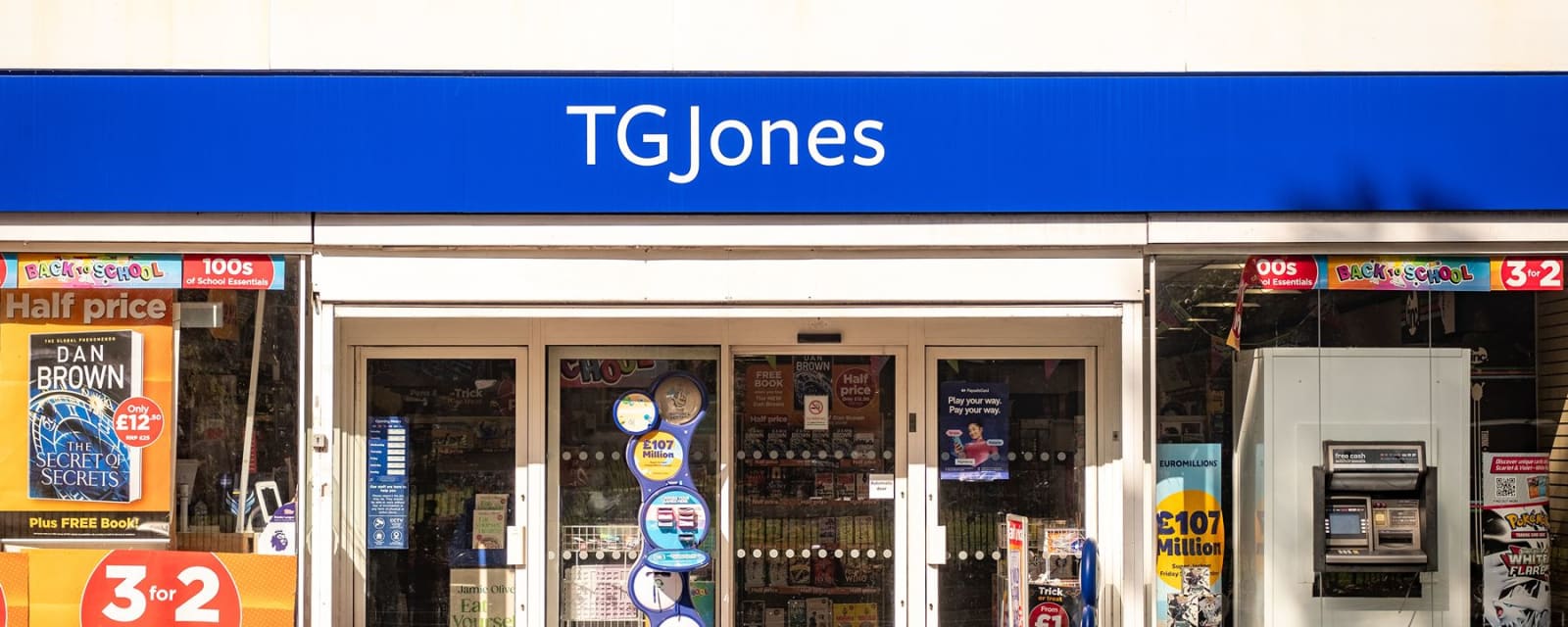
- • TGJones, the high street chain Modella Capital bought from WH Smith in 2025 for £42 million, has been put up for sale less than two years after the acquisition, according to Sky News.
- • The chain has around 350 shops and 3,500 staff, and has closed about 150 stores under Modella's restructuring.
- • TGJones and Modella Capital have jointly instructed Teneo Corporate Finance to review unsolicited offers and run a market-testing exercise.
- • Modella's broader retail record, including the collapse of Claire's Accessories and The Original Factory Shop, is raising doubts about private equity's high street model.
- • Industry commentary from Pitchbook suggests the challenging retail environment is likely to deter future private equity investment in UK high street assets.
Summary
TGJones is up for sale less than two years after private equity firm Modella Capital acquired the high street business of WH Smith, a retailer with a 233-year-old heritage, for £42 million in 2025 and rebranded it as TGJones. According to Sky News, the chain has engaged advisers to oversee an auction of the business, which operates around 350 shops and employs about 3,500 staff. In a joint statement responding to Sky News, TGJones and Modella Capital said the retailer had received unsolicited offers and that they had jointly agreed to instruct Teneo Corporate Finance to review these offers and undertake a market-testing exercise.
Under Modella's ownership, TGJones went through a significant restructuring that saw the closure of around 150 stores. A proposal to cut rents paid to landlords, intended to improve the chain's chances of survival, was dropped after strong opposition from British Land. Modella managing director Joe Price had earlier described the business as a "loss-making business with an uncertain future" at the time of acquisition. Modella and TGJones report improving trading, but the article notes the retailer has yet to show how a traditional high street model can achieve sustainable growth amid increasing digital competition.
The sale has renewed scrutiny of private equity's role in British retail. CityAM, cited by the article, pointed to Gordon Brothers' political scrutiny over its sale of Poundland, Morrisons' net debt rising to £7.5 billion since CD&R's 2021 takeover, and Asda's debt pile of over £3 billion under TDR Capital. Modella has also overseen the collapse of Claire's Accessories and The Original Factory Shop, though it owns Hobbycraft, which has returned to profit after restructuring. Nalin Patel, director of private capital research at Pitchbook, told CityAM that the challenging environment for retail, marked by rising costs, weak consumer confidence and the shift to ecommerce, is likely to deter future private equity investors from UK high street assets.
The article argues that retail is a difficult fit for private equity, since durable turnarounds increasingly depend on long-term investment rather than short-term financial engineering. Next and M&S are cited as examples of retailers that moved from high street to omnichannel models through years of investment in ecommerce, digital customer experience and omnichannel operations. Fixing a retailer's balance sheet is therefore only part of the task, with building a business that stays relevant to modern consumers the harder challenge.
Go deeper than the headline
Research every firm in this story, track the ones that matter and get the daily briefing — free for 7 days.