
Key Takeaways
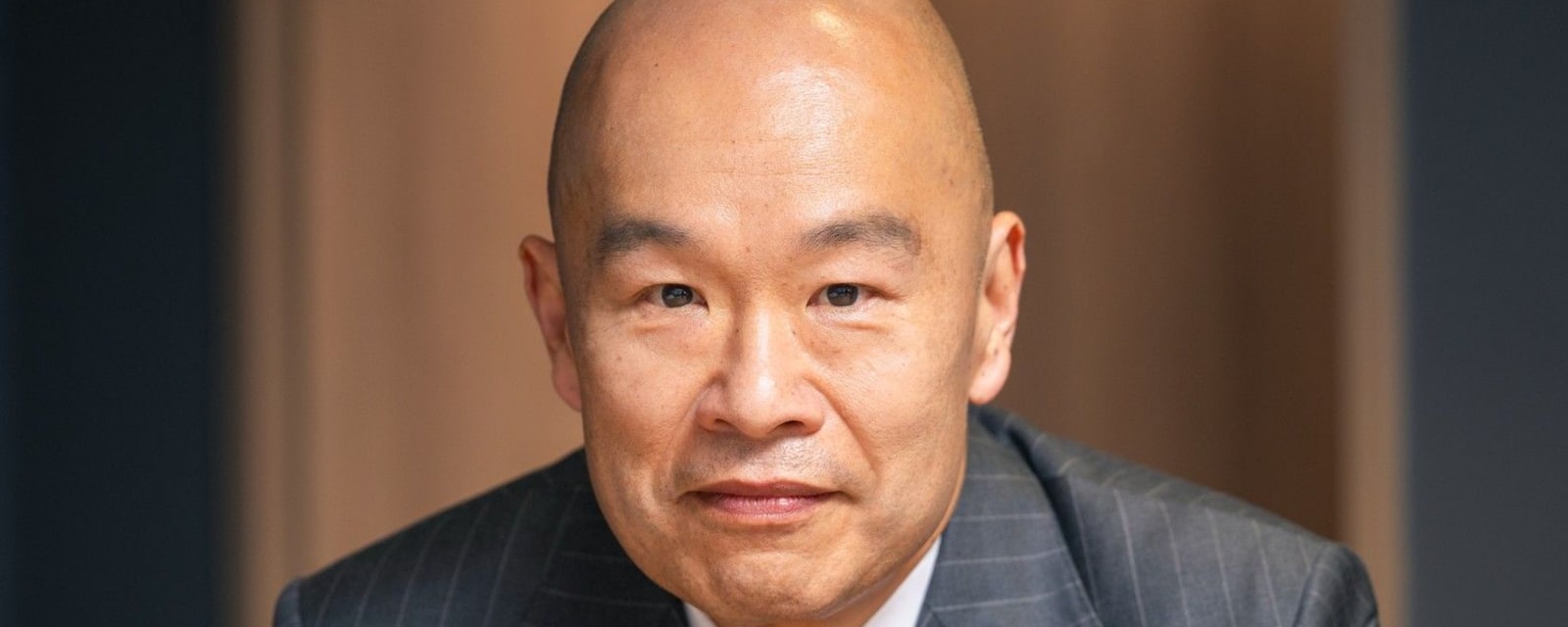
- • Bryan Goh, CEO of Tsao Family Office, told Fund Selector Asia that private markets offer the best opportunities for additionality and materiality, aligning with the family office's impact mandate.
- • Tsao expects to increase private markets exposure over the next twelve months, with private equity and private credit as key areas, while hedge fund exposure is likely to remain level.
- • Goh said evergreen funds have proven fit for purpose, and Tsao will no longer exclude semi-liquid structures, though it still prefers the traditional private funds structure.
- • Tsao treats gold as a tactical trade rather than a hedge, placing less than a 50% chance of an all-time high before year-end.
- • Goh said track record should be used for explanation rather than extrapolation, and he values managers who recover from losses.
Summary
Bryan Goh, CEO of Tsao Family Office, outlined his views on alternatives in an interview with Fund Selector Asia, part of a series with alternatives experts at Asian wealth managers and private banks. Goh said general partners have sought new sources of capital as institutional demand tapered, giving rise to evergreen and semi-liquid vehicles aimed at private wealth channels. According to Goh, these products have proven themselves under stress and achieved modest success.
On hedge funds, Goh said demand has returned in recent years, driven by mega-sized pods, quant and multi-strategy managers, and the concentration of benchmarks that have left active managers trailing. Tsao has been a constant hedge fund investor but is aware that alpha can be negative and is more selective with hedge funds than with active long-only strategies. Goh said hedge fund exposure will likely remain level, as new investments will be funded with redemptions.
Goh attributed demand for real assets and gold to fears of inflation and currency debasement, while noting that widespread adoption of gold as a hedge has impaired its function as one. Tsao sees opportunities to increase real asset allocations in line with its environmental and social sustainability impact themes. Gold is treated as a tactical trade, and Goh said the trend is up but corrections can be deep and protracted.
Tsao is active in private equity, credit and real assets, with objectives closely tied to its impact mandate. Goh said diversification is hard to obtain once risks are properly accounted for in private markets or hedge funds. He noted that private credit is now an important source of capital for social enterprises and environmental investments, complementing private equity's longstanding role in impact investing.
On due diligence, Goh said track record is the most common issue he encounters, stating that track records are for explanation, not extrapolation. Tsao has invested equally in managers who performed well and then poorly, and vice versa. Goh said he prefers managers who lose money and recover, both their high-water marks and their composure.
Go deeper than the headline
Research every firm in this story, track the ones that matter and get the daily briefing — free for 7 days.