
Key Takeaways
- • Venezuela's National Assembly approved a reform to the electricity law on Tuesday, November 10, 2026, ending the state monopoly over the power sector after nearly two decades of state control, according to Reuters.
- • The new law lets private companies enter the sector through joint ventures with the government for up to 25 years, and allows operations through contracts with state oil companies.
- • Less than 40% of Venezuela's generation capacity is currently available, with the grid suffering from under-investment, poor maintenance, and cash-strapped non-payment to suppliers.
- • The Inter-American Development Bank is drafting a two-year engagement plan partly focused on electricity, while Venezuela considers a bridge loan from Qatar to clear more than $2 billion in arrears to the IDB.
- • The reform is part of interim President Delcy Rodriguez's push to attract private investment in oil, gas and mining despite investor caution.
Summary
Venezuelan lawmakers approved a reform to the country's electricity law on Tuesday, opening the unreliable power sector to private investment after nearly two decades of state control, Reuters reported from Caracas. The overhaul ends the state monopoly over electricity generation and distribution. National Assembly head Jorge Rodriguez said after the vote that opening the market was necessary so the private sector could also provide electricity, especially to large consumers and industry.
The reform is the latest measure pushed by interim President Delcy Rodriguez, who is seeking to foster private investment in oil, gas and mining following the US ouster of then-President Nicolas Maduro in January. The push comes despite continued caution among investors. Under the new law, private companies can enter the sector through joint ventures with the government for up to 25 years, and can also operate through contracts with state oil companies.
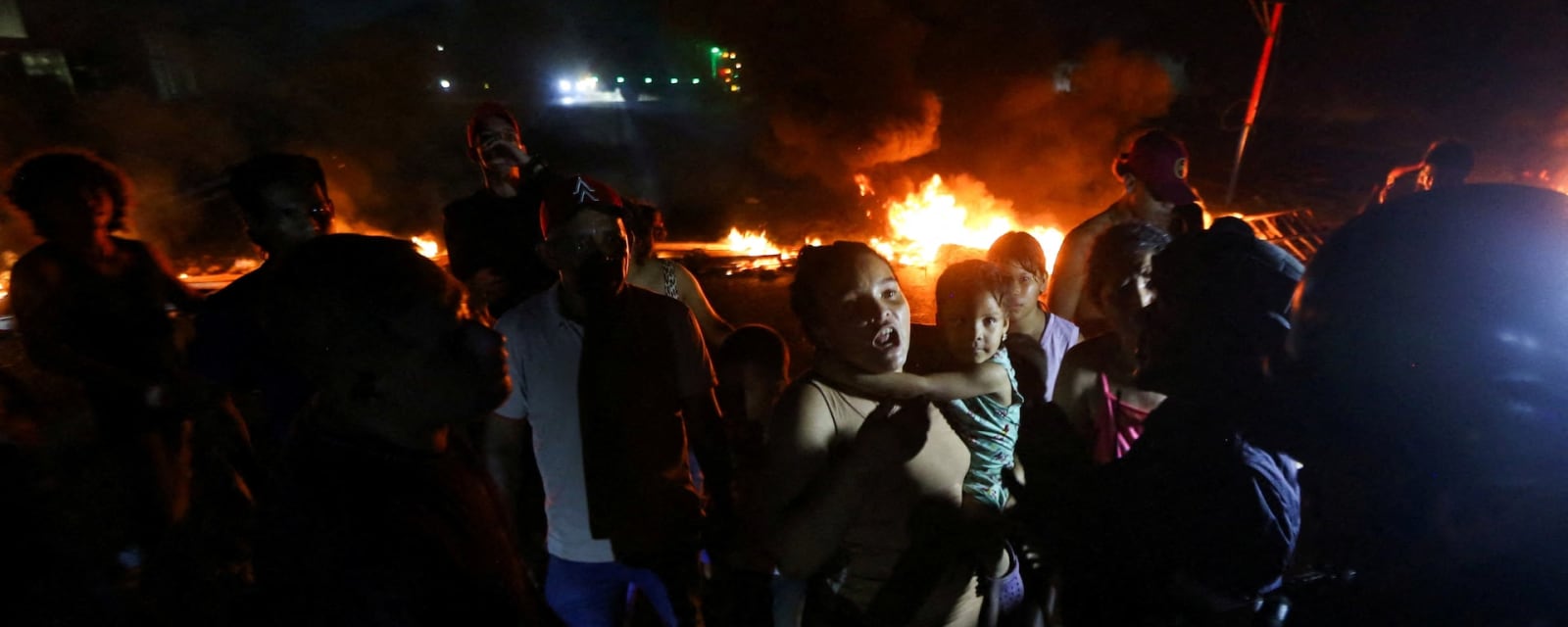
The sector is badly strained. Venezuelans have endured long-running blackouts lasting hours or days, and much of the grid requires extensive maintenance that has not been carried out amid hyperinflation and economic sanctions. Outages also disrupt water supply, telecommunications and agriculture. Although Rodriguez has said stable power is a top priority, the cash-strapped government has not guaranteed payments to suppliers that could help stabilize the grid, and less than 40% of generation capacity is currently available.
On the financing side, the Inter-American Development Bank is drafting a two-year engagement plan for Venezuela focused partly on electricity and social protection, IDB President Ilan Goldfajn has said. People familiar with the matter told Reuters that Venezuelan authorities are considering seeking a bridge loan from Qatar to clear more than $2 billion in arrears owed to the IDB, which would facilitate fresh financing from the lender.
The impact on consumers and producers is acute. In Tachira state, dairy farmer Heriberto Labrador said outage rationing had grown from blocks of 4 hours a day to 18 and even 20 hours without power, and that his operation has not been able to use milking machines or refrigerators for at least 10 years. He said he is waiting to see how quickly companies establish themselves and when improvements reach his area.
Go deeper than the headline
Research every firm in this story, track the ones that matter and get the daily briefing — free for 7 days.