
Key Takeaways
- • Private equity has become the dominant force in sports M&A, with PE-backed consolidators responsible for 61% of all mergers and acquisition transactions in the sports industry since 2019, according to Oaklins data.
- • As of May 2026, more than 74 North American professional teams have some level of private equity involvement, signaling systemic capital redeployment across the sports landscape.
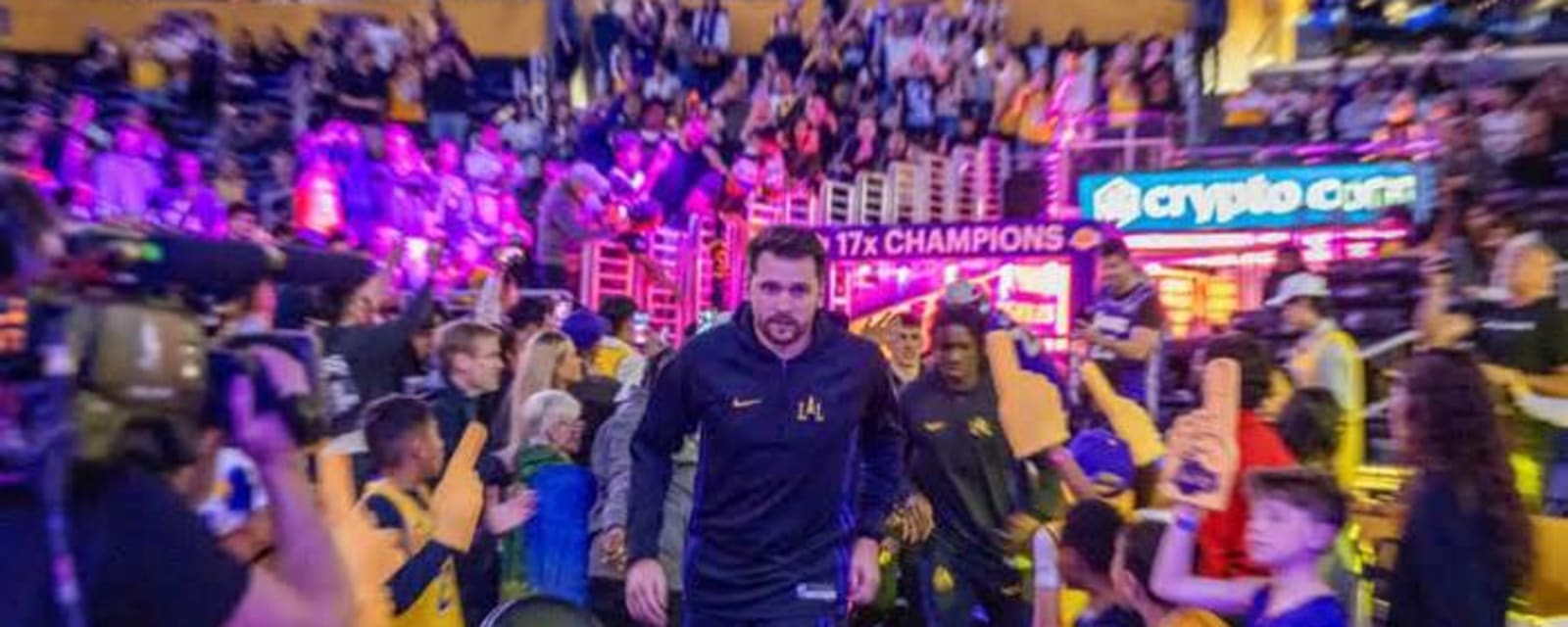
- • The Lakers exemplify the valuation transformation: purchased by Jerry Buss in 1979 for $67.5 million (including the Forum and Kings), the franchise alone is now valued at $12.5 billion, demonstrating the asset class's explosive appreciation potential.
- • The investment thesis has shifted from passion-based ownership to institutional capital allocation, with sports franchises now recognized as recession-resistant, high-growth assets with superior business cycle insulation compared to traditional sectors.
- • Even marquee franchises require private equity capital to remain competitive in an accelerating financial arms race driven by player salaries, facility upgrades, and broadcasting rights escalation.
Summary
Private equity firms have emerged as the predominant capital source for professional sports team acquisitions, reflecting a fundamental repricing of sports franchises as institutional-grade financial assets rather than passion projects. The transformation is quantifiable: Jerry Buss's 1979 acquisition of the Los Angeles Lakers, the Forum, and the Kings for $67.5 million now appears historically undervalued given that the Lakers franchise alone carries a $12.5 billion valuation today. This 185-fold increase in franchise value over approximately four decades has attracted institutional capital seeking exposure to recession-resistant revenue streams with demonstrated long-term growth trajectories.
The scale of PE penetration across professional sports is substantial and systematic. As of May 2026, more than 74 North American professional teams maintain some degree of private equity involvement, according to the CFA Institute. PE-backed consolidators have dominated transactional activity in the sector, controlling 61% of all mergers and acquisition transactions since 2019, according to Oaklins, the global M&A advisory firm. This concentration reflects both the availability of institutional capital and the strategic recognition that professional sports represent differentiated investment opportunities.
The fundamental investment appeal centers on the sector's perceived macroeconomic resilience. James Adams, director of CFA program curriculum and adjunct professor at New York University, characterized professional sports as "somewhat recession-proof" with high growth rates and reduced susceptibility to business cycle fluctuations relative to other asset classes. This positioning directly challenges the traditional narrative of sports ownership as discretionary, passion-driven activity. As noted by Ross Williams, a private equity attorney at Reed Smith, the investment rationale has fundamentally shifted from "I'm in this for the love of the game" and measuring success through championships to explicit recognition that professional sports franchises represent materially attractive financial investments with superior risk-adjusted return profiles.
The influx of institutional capital, however, reflects competitive necessity as much as opportunity. Even the most prestigious franchises now require consistent capital infusions to sustain competitiveness within accelerating cost structures driven by player compensation, facility modernization, and escalating broadcasting rights valuations. This dynamic has created a self-reinforcing capital cycle where PE participation becomes prerequisite rather than optional for franchise viability at the highest competitive levels.
Go deeper than the headline
Research every firm in this story, track the ones that matter and get the daily briefing — free for 7 days.