
Key Takeaways
- • Keval Desai, founder of San Francisco-based Shakti VC, argues venture capital has shifted from a field of "pirates" to a "navy" dominated by large platforms raising ever-bigger funds, leaving family offices with reduced access to deals.
- • Desai says funds of $1bn or more are now commonplace, versus $50mn to $100mn previously, and that family offices writing $5mn to $10mn checks are no longer the valued investors they once were.
- • Shakti VC, launched in 2020 as an inception-stage firm investing entirely in AI companies, runs a small early-stage fund and offers family offices access to later growth rounds.
- • Gatik, the autonomous trucking company, is cited as the firm's most compelling example, with one family office participating directly in its $200mn growth financing after investing through the early-stage fund.
- • Desai argues the AI cycle resembles the post-Red Hat IPO internet era, and that the next decade will centre on open-weight, agentic AI.
Summary
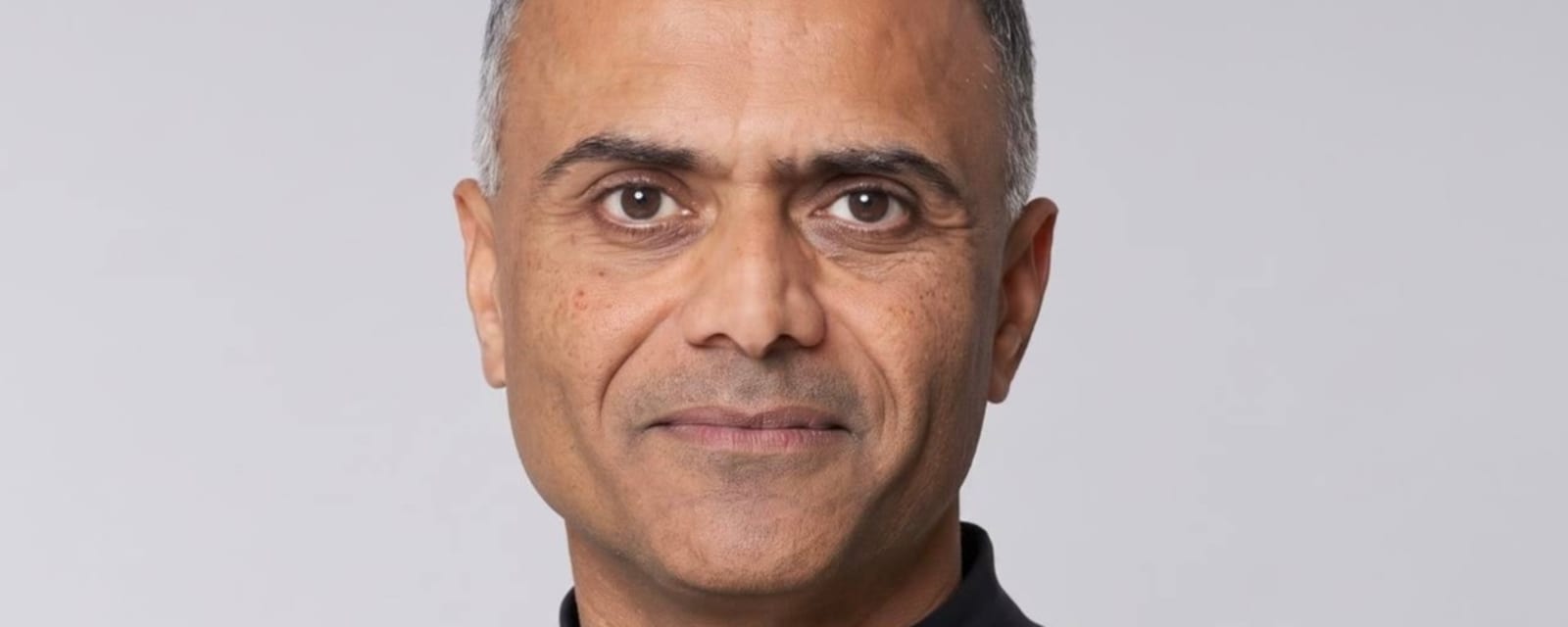
Venture capital was once dominated by high-risk backers pursuing outsized returns, but it increasingly resembles a "navy" of large investment platforms deploying billions of dollars, according to Keval Desai, founder of San Francisco-based Shakti VC. Desai argues this shift has left family offices, historically among the sector's most important backers, struggling to access the opportunities they once enjoyed.
Desai, who joined Google pre-IPO and began his venture career in 2011 with early investments in Canva and The RealReal, says the industry is becoming an asset-gathering business. "Venture is starting to mimic private equity and is becoming an asset-gathering industry versus an industry that makes its money on carried interest," he says. He notes that fee income has become the primary revenue source, driving fund sizes higher. Where $50mn or $100mn funds were once typical, funds of $1bn or more are now commonplace, and the SoftBank Vision Fund launched in 2017 with $100bn. Larger managers are increasingly seeking capital from sovereign funds and institutional investors rather than family offices.
Desai believes family offices have structural advantages as limited partners: they are building generational wealth rather than funding fixed liabilities like endowments or pension funds, and many were founded by entrepreneurs who understand risk. Their appetite for venture has not diminished, he says, which has prompted the emergence of smaller specialist funds. Shakti VC runs an early-stage fund in which family offices invest as conventional LPs, then introduces them to growth rounds where they can invest directly. Gatik, the autonomous trucking company, illustrates the model: one family office invested through Shakti's early-stage fund and later participated directly in Gatik's $200mn growth financing. Desai adds that many family offices have small teams, making specialist managers valuable for sourcing, due diligence and portfolio monitoring.
Desai frames the current AI cycle as comparable to the internet revolution that followed Red Hat's 1999 IPO, which he says ushered in cheap open-source infrastructure. He points to the Anthropic IPO on November 19 as marking "the end of the beginning" of the proprietary AI era, and argues the next decade will centre on open-weight models that are cost-effective and more secure. Shakti refers to this phase as "AI 3.0", and its upcoming annual meeting in April, titled "Planet of the Apps", will examine applications across sectors including recycling and space. Desai concludes: "I think this is going to be the best era for entrepreneurs and VCs, because finally, we can afford to use AI to transform the world."
Go deeper than the headline
Research every firm in this story, track the ones that matter and get the daily briefing — free for 7 days.