
Key Takeaways
- • The Tumar Venture Fund has grown to approximately $20 million with a stated target of $50 million, utilizing a blended public-private capital model to address Kazakhstan's venture financing gap.
- • Portfolio companies including Zypl and Codiplay have successfully leveraged the fund's mentorship, accelerator connections, and matched capital to access new markets and secure follow-on financing rounds.
- • The blended financing structure combines public and private capital with institutional support, enabling early-stage companies to scale beyond Kazakhstan's traditional resource-based economy toward technology-driven growth.
- • Remaining barriers to venture capital expansion include regulatory constraints and limited market depth, though partnerships with regional hubs and international institutions are facilitating cross-border expansion for portfolio companies.
- • Institutional lenders should reassess credit risk frameworks and due diligence protocols to account for venture-backed growth trajectories and early-stage equity participation in regional emerging markets.
Summary
The Tumar Venture Fund represents a targeted policy intervention designed to catalyze Kazakhstan's transition from a resource-dependent economy toward a sustainable innovation ecosystem. As documented by World Bank specialists Karen Grigorian and Yeraly Beksultan, the fund employs a blended financing model that pairs public capital with private investment to address a critical market gap in venture funding for early-stage technology companies.
The fund has accumulated approximately $20 million in committed capital with an ambitious expansion target of $50 million. This structure combines matched public and private capital deployment with active value-add components including mentorship, accelerator network integration, and institutional support. Portfolio companies such as Zypl and Codiplay have demonstrated the model's efficacy, successfully translating fund participation into market access expansion and subsequent financing rounds from institutional investors.
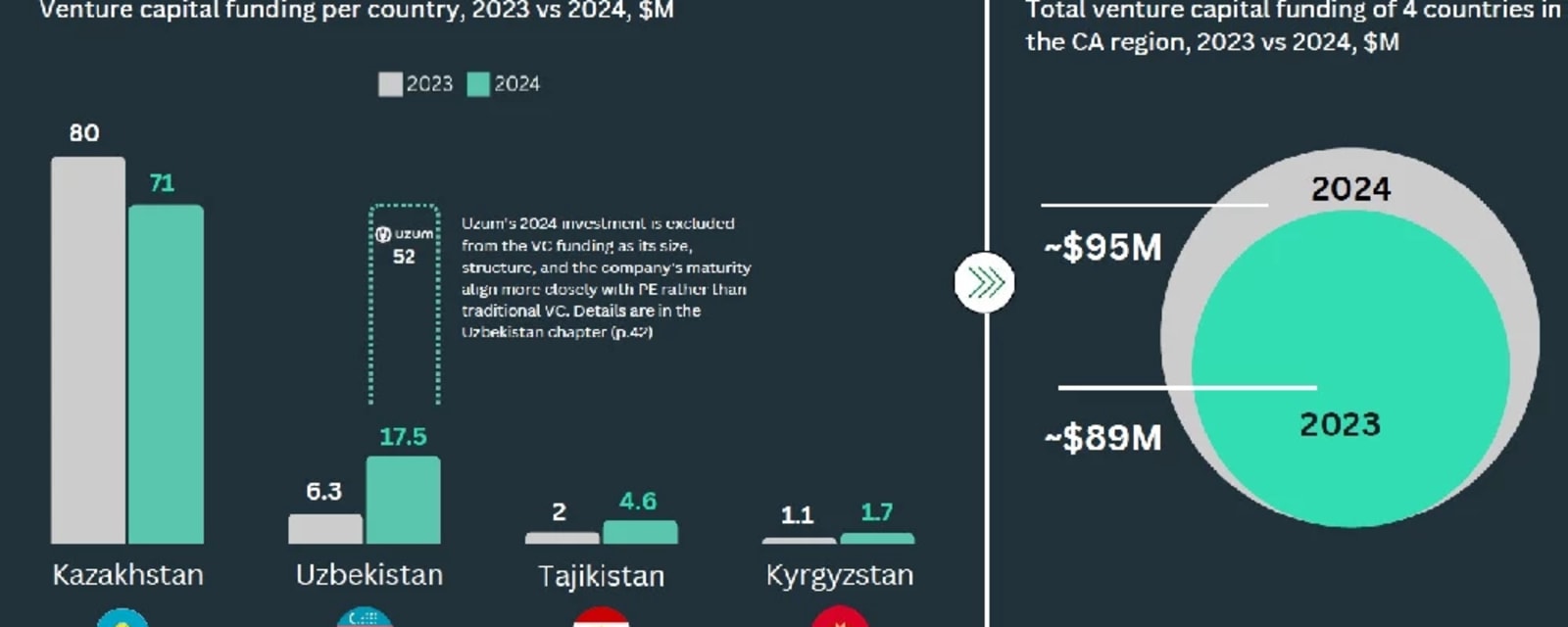
The fund's success reflects broader momentum in Central Asia's venture capital landscape, where Kazakhstan has emerged as a regional leader. By connecting local entrepreneurs to regional hubs and international financial institutions, the initiative addresses a structural bottleneck: most early-stage companies in the region lack access to capital, mentorship infrastructure, and pathways to global markets. The blended model distributes risk across public and private stakeholders while creating measurable incentives for operational support beyond capital provision.
However, institutional participants should note documented constraints. Regulatory barriers and limited local institutional capital depth continue to restrict fund growth and portfolio company scaling. The fund's geographic advantage—Kazakhstan's established position as Central Asia's largest economy—partially mitigates these challenges, yet cross-border expansion and international partnership development remain essential for portfolio company growth trajectories beyond the region.
For alternative investment professionals and family offices evaluating exposure to emerging market innovation hubs, this fund structure demonstrates how blended financing can de-risk early-stage equity participation while building sustainable venture ecosystems. Institutional investors should monitor regulatory reforms affecting venture capital treatment and reassess credit risk frameworks to reflect equity-backed growth dynamics in regional emerging markets.
Go deeper than the headline
Research every firm in this story, track the ones that matter and get the daily briefing — free for 7 days.