
Key Takeaways
- • OpenAI researcher Noam Brown, speaking with Sequoia Capital partner Alfred Lin at the No Limit Finals, argued that game-theory-optimal (GTO) methods did not scale into general intelligence, citing failures in his Diplomacy AI work.
- • Brown said his Diplomacy bots trained with game-theoretic approaches produced exploitable, irrational-seeming behavior, and that training on large volumes of human data to model how people actually behave worked better.
- • Brown said that around 2022 he faced a career pivot from computational game theory to general-purpose reasoning in reinforcement learning, and joined OpenAI on that basis.
- • Brown stated that in a multiplayer tournament format he would favor an exploitation-based pokerbot strategy over a GTO approach, and that a low-fidelity GTO bot could be built in an hour with modern LLM coding help.
- • Brown said that in 2022 many researchers believed pre-training scale alone would solve games like Go and poker, a view he disputed by estimating roughly six orders of magnitude more training would be needed for competent Go play.
Summary
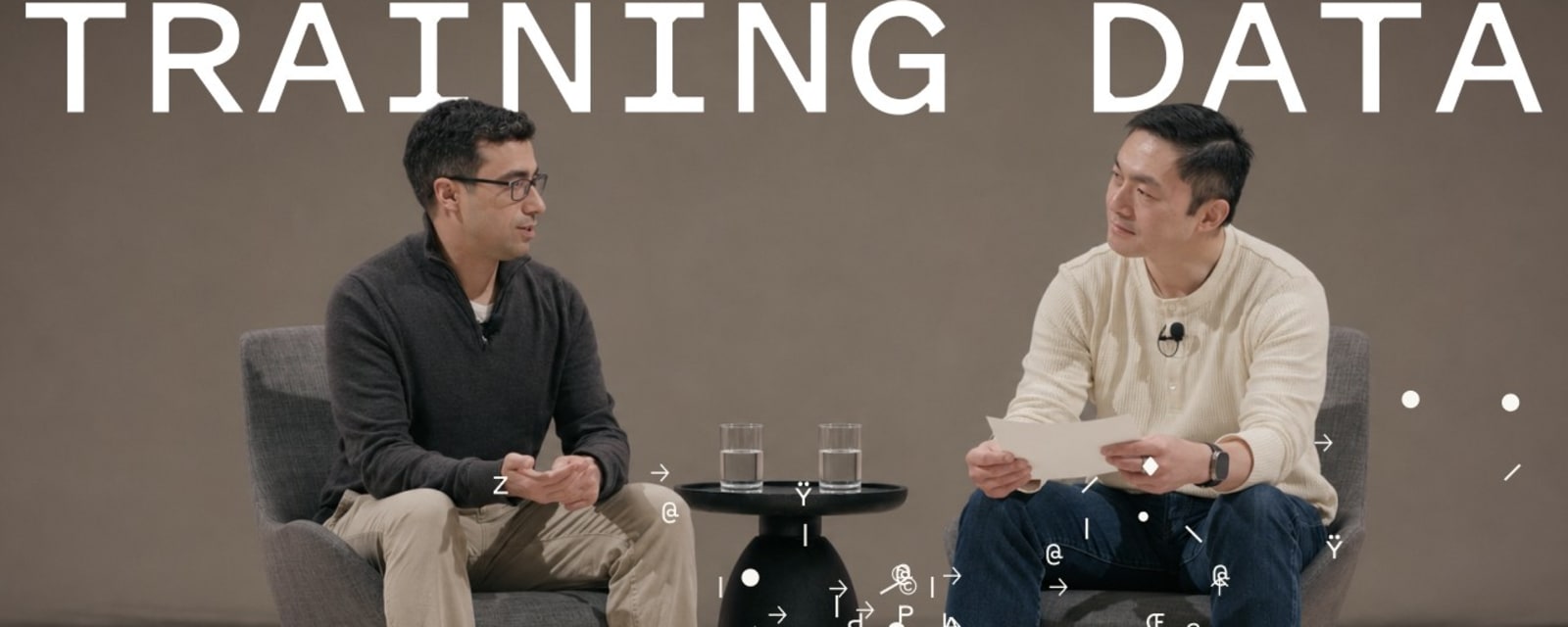
In a conversation recorded live at the No Limit Finals and hosted by Sequoia Capital, OpenAI researcher Noam Brown explained how his research path moved from poker and game theory to general-purpose reasoning. Moderator Alfred Lin traced Brown's progression from poker to Diplomacy to reasoning. Brown said he began poker AI work when he started graduate school in 2012 and that his pokerbot team won the MIT Pokerbots competition in 2014 and 2015, which carried a $10,000 prize.
Brown described the core technical lesson of his Diplomacy work. The team's bots relied on game-theoretic self-play, but game theory assumes all players are rational and that this rationality is common knowledge. Using the ultimatum game as an example, Brown said game-theory-optimal play would offer a penny, which human responders reject. Attempts to encode fairness or vengeance into the bots became too complex. The approach that worked, he said, was to train models to imitate human behavior on large volumes of human data and then select the best response to that modeled behavior.
Brown said this led to a career decision around 2022, when he judged that game theory was not the path to general intelligence. He chose to pivot to general-purpose reasoning in reinforcement learning and joined OpenAI. He said many people at that time believed scaling pre-training alone would solve these games, and he argued that reaching competent Go play through scale alone would require about six orders of magnitude more training.
On current tools, Brown said modern LLMs could help a competitor code a pokerbot within an hour, although training would still take many hours. He said that for a multiplayer tournament, an exploitation-based approach would likely outperform a pure GTO strategy. He also said reasoning models have become capable enough that a general-purpose model is able to make money playing online poker.
Go deeper than the headline
Research every firm in this story, track the ones that matter and get the daily briefing — free for 7 days.