
Key Takeaways
- • Singapore and the United States signed a civil nuclear cooperation agreement (123 Agreement) on July 31, 2024, designed to deepen bilateral nuclear collaboration over a 30-year period, with the agreement expected to enter into force by end-2024.
- • Foreign Affairs Minister Vivian Balakrishnan and US Secretary of State Antony Blinken executed the accord, which enables Singapore to access US nuclear technology expertise, information sharing, and intellectual property while maintaining strict nonproliferation standards.
- • Singapore explicitly stated it has made no deployment decision on domestic nuclear energy and will require detailed feasibility studies on safety, reliability, affordability, and environmental sustainability before any future implementation.
- • The agreement establishes a framework for Singapore to collaborate with third-party nations using nuclear technologies incorporating US-origin components or intellectual property, expanding Singapore's access to global nuclear research partnerships.
- • Since 2017, Singapore's National Environment Agency and the US Nuclear Regulatory Commission have maintained regulatory cooperation arrangements, including a joint workshop held in July 2024 preceding this broader agreement.
Summary
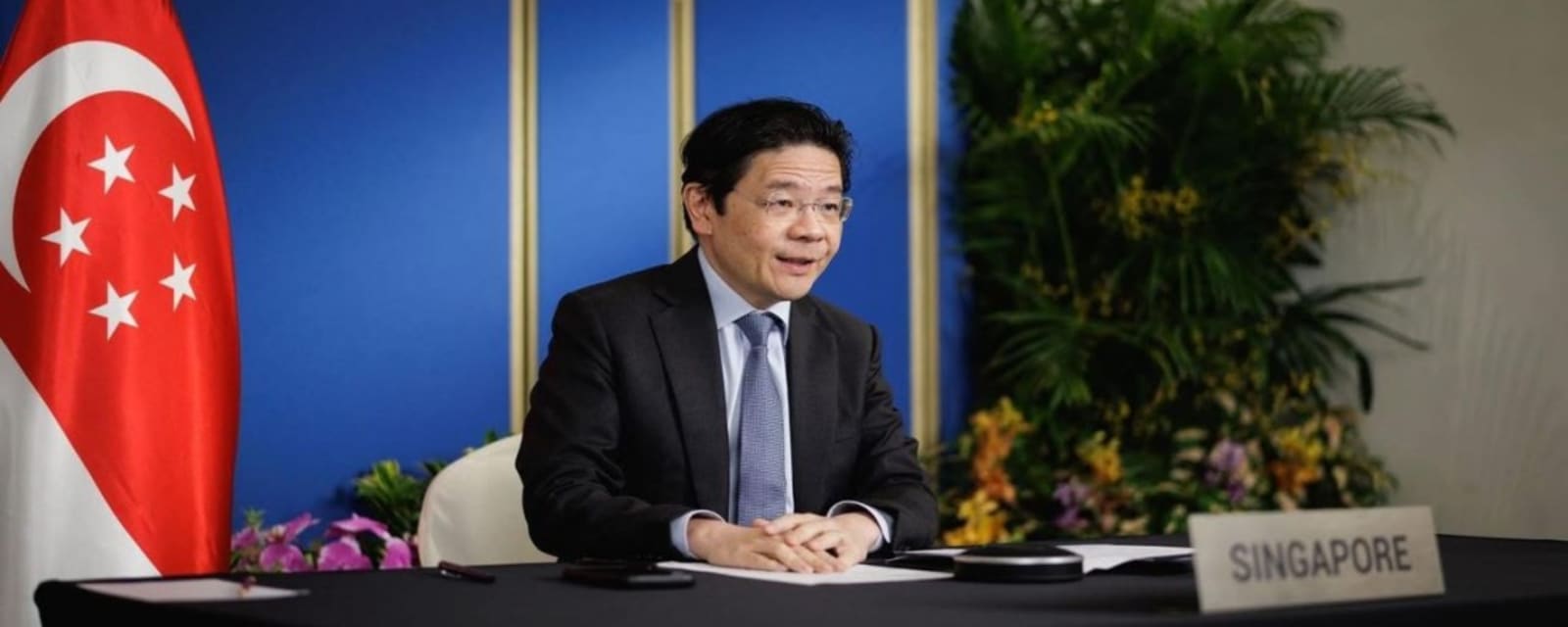
Singapore and the United States formalized a landmark civil nuclear cooperation agreement on July 31, 2024, signed by Foreign Affairs Minister Vivian Balakrishnan and US Secretary of State Antony Blinken during the latter's official visit to Singapore. The agreement, formally designated a "123 Agreement" under US nuclear cooperation nomenclature, establishes a 30-year framework for enhanced bilateral collaboration on civil nuclear matters and is projected to enter into force by the end of 2024.
The accord enables Singapore to deepen its engagement with US nuclear expertise, technology, and regulatory frameworks while maintaining alignment with international nonproliferation standards. Dr. Balakrishnan emphasized that Singapore views nuclear nonproliferation as essential to international peace and security, noting that while conventional nuclear technologies remain unsuitable for Singapore's geographic constraints, advances in civil nuclear technology warrant sustained engagement and knowledge development. The agreement facilitates access to technical information and expertise from US nuclear experts, positioning Singapore to monitor and evaluate emerging technologies in an increasingly competitive nuclear energy landscape.
A critical clarification accompanies the agreement: Singapore has not committed to deploying nuclear energy domestically. The government issued a factsheet stating that any future deployment decision would require comprehensive studies addressing safety, reliability, affordability, and environmental sustainability specific to Singapore's local context. The factsheet further notes that most advanced nuclear reactor designs remain in research and development phases without commercial operation, underscoring the exploratory rather than implementational nature of this partnership.
The cooperation builds on a decade-long bilateral engagement on nuclear matters. Since 2017, Singapore's National Environment Agency and the US Nuclear Regulatory Commission have maintained formal arrangements facilitating regulatory skills development and knowledge exchange, culminating in a joint workshop in July 2024. The new 123 Agreement also creates pathways for Singapore to collaborate with third-party countries utilizing nuclear technologies incorporating US-origin components or intellectual property, effectively broadening Singapore's access to the global nuclear research ecosystem while maintaining US regulatory oversight of its technological contributions.
Go deeper than the headline
Research every firm in this story, track the ones that matter and get the daily briefing — free for 7 days.