
Key Takeaways
- • Marlowe, a six-month-old American AI computing infrastructure startup, has raised $277 million in Seed funding at a $1.15 billion valuation, achieving unicorn status within six months of its May 2026 founding.
- • The latest financing was led by Accel, following an earlier round led by Eclipse; other investors include Bessemer Venture Partners, Altimeter, Atreides, Journey, Valor, Emergence Capital, Pitango and Village Global.
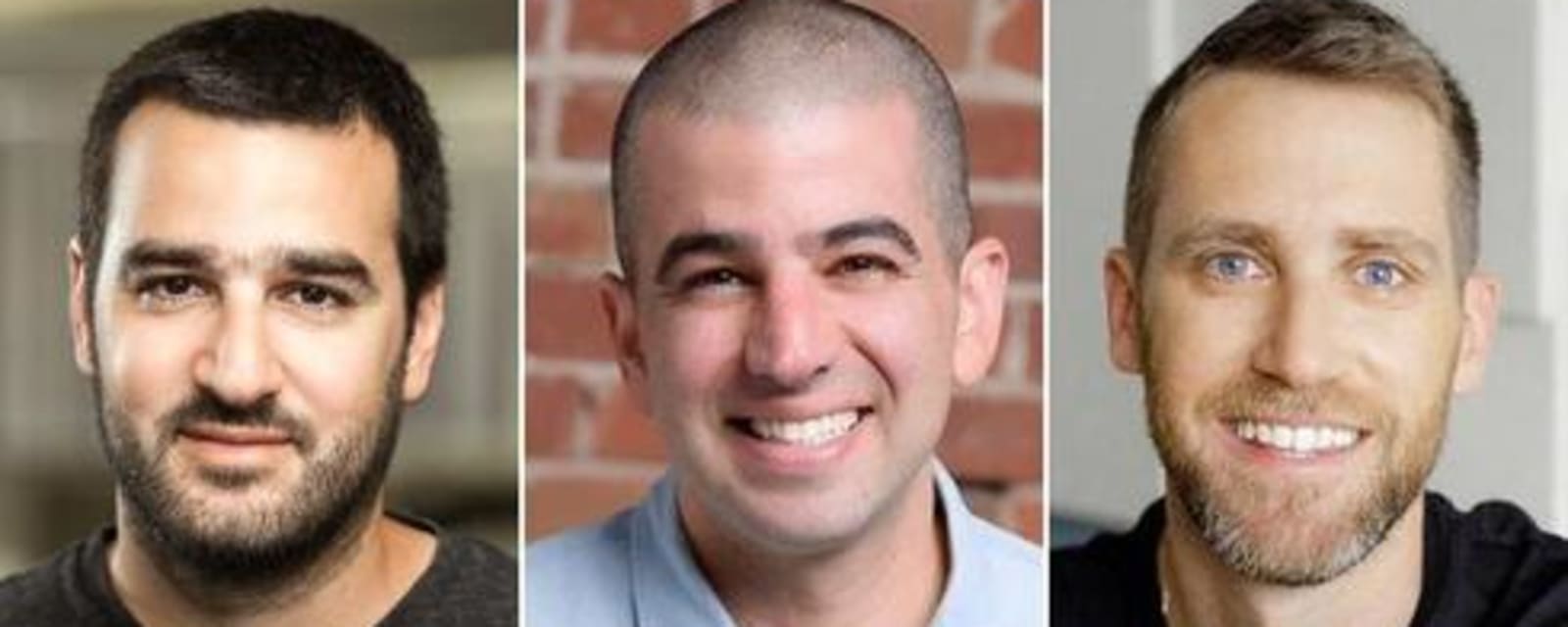
- • Israeli brothers Lior Susan (Eclipse founder and CEO, Marlowe executive chairman) and Ido Susan (DriveNets founder and CEO, operational board member) are central to the company's founding and governance.
- • Marlowe targets inference efficiency with an integrated design of processors, networking and software, citing a projected two to three times greater computing output per dollar and per watt than conventional GPU-based cloud environments, figures the company describes as targets rather than verified results.
- • Two sites are under contract: an Etched-chip site expected to be operational in December 2026, and a larger AMD Helios-based site planned for Q2 2027, with a third site covered by a letter of intent.
Summary
Marlowe, an American startup developing computing infrastructure for artificial intelligence, has raised a total of $277 million in Seed funding at a valuation of $1.15 billion, according to CTech. The company was established in May 2026 by former Microsoft executives Dan Lewis and Kutta Srinivasan, in collaboration with Israeli entrepreneurs Lior and Ido Susan and Stanford AI researcher Chris Ré. Lewis serves as CEO and Srinivasan as chief technology officer. Lior Susan, founder and CEO of venture capital firm Eclipse, is executive chairman, while his brother Ido, founder and CEO of DriveNets, sits on the operational board.
The latest financing was led by Accel, while the total also includes an earlier round led by Eclipse. Other institutional investors include Bessemer Venture Partners, Altimeter, Atreides, Journey, Valor, Emergence Capital, Pitango and Village Global. Individual backers include Assaf Rappaport, co-founder of Wiz; Henry Kravis, co-founder of KKR; Dara Khosrowshahi, CEO of Uber; Aaron Levie, CEO of Box; and Ryan Roslansky, former CEO of LinkedIn. Patrick and John Collison, founders of Stripe, also participated through a new investment vehicle.
Marlowe's thesis is that AI infrastructure must shift as the industry moves from training models to running them at scale. Demand for inference, the process by which trained models generate responses and serve users, is growing rapidly, while much existing infrastructure was built primarily for training. The founders say they experienced capacity shortages firsthand at Microsoft. The company also argues that alternative chips often remain underutilized because much of the industry's software and tooling is built around Nvidia processors.
Rather than selling raw capacity or optimizing individual chips, Marlowe designs, builds and operates systems combining processors, networking, data center architecture and software, matching hardware to workloads. Initially it focuses on chips from AMD and Etched rather than Nvidia, and uses Broadcom networking equipment. The company has not ruled out Nvidia in the future. The company and its investors cite a potential two to three times greater computing output per dollar and per watt than conventional GPU-based cloud environments; these are projections, not independently verified results. According to Marlowe, data center construction costs have risen 40% since 2020.
Marlowe has signed agreements for two computing sites: an Etched-based site expected to be operational in December 2026 for an undisclosed large AI coding company, and a larger AMD Helios-based site planned for Q2 2027. A third site is covered by a letter of intent. The company says it has agreements with three inference-market customers, though it has not named them. It plans gradual expansion with sites of tens of megawatts, and has nearly 30 employees across Bellevue, Washington and Redwood City, California. The company operates in a competitive field that includes Gimlet Labs, which raised $300 million in September at a $3 billion valuation, and General Compute, which raised $100 million in October.
Go deeper than the headline
Research every firm in this story, track the ones that matter and get the daily briefing.