
Key Takeaways
- • David Gall, CEO of the National Reconstruction Fund (NRF), was paid $1.27 million in his first full financial year as CEO, including a $352,716 bonus, according to the NRF's 2026 annual report.
- • The NRF committed $1.664 billion across 22 investments in FY26, clearing its $1.5 billion annual target, but ended the year with $1.51 billion in cash, about $1.2 billion above budget.
- • The general portfolio returned 7.7%, ahead of its 5.9-6.9% benchmark range, with a first realised gain of $34.8 million from partly selling its Liontown stake.
- • The NRF will commit $150 million to the new Main Sequence NRF Emerging Companies Fund, which will write cheques under $10 million for companies raising $30 million or less.
Summary
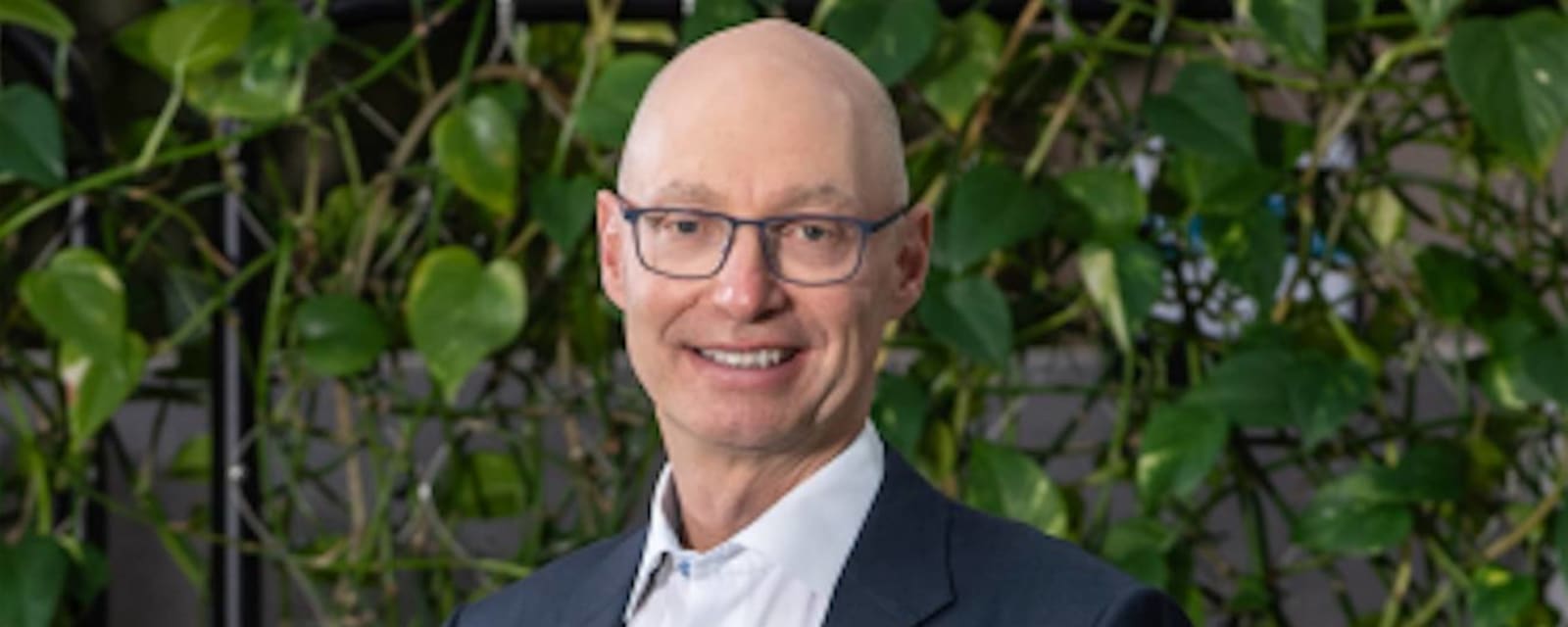
David Gall, the former banking executive leading the National Reconstruction Fund, received $1.27 million in his first full year as CEO, according to the NRF's 2026 annual report. The package included a $352,716 bonus. Gall's base salary was $871,409, and the bonus added roughly 40.5%. The report also disclosed an unnamed executive paid by pay band who received a $432,900 bonus on a $690,500 base salary, bringing that package to $1.17 million with super and long service leave. The NRF board said discretionary bonuses reflect individual and organisational performance.
Pay at the NRF remains modest relative to government-owned enterprises. NBN Co CEO Ellie Sweeney received $3.43 million in FY26, and Australia Post CEO Paul Graham took home $3.1 million, including $1.36 million in bonuses. Ian Learmonth, who runs the Clean Energy Finance Corporation, earned $1.19 million, about $85,000 less than Gall. The CEFC committed $9.1 billion last year, nearly six times the funding the NRF deployed. Employee benefits across the NRF rose 62% to $24.2 million as the workforce, including contractors, grew from 64 to 90.
The NRF, a signature Albanese government initiative launched in 2023 with a $15 billion fund, reported on page 37 that it signed binding commitments worth $1.664 billion across 22 investments in FY26, up from $584.5 million a year earlier. The portfolio comprises 31 investments and more than $2.2 billion committed since inception, around 15% of the total. The NRF says every dollar it invests attracts another $2.61 from private investors. Cash of $1.51 billion at June, about $1.2 billion above budget, reflected companies drawing down funding more slowly than forecast. Net investing cash outflow came in $609 million below budget. Gross outflows were $1.38 billion, including $466.9 million in equities and $424 million in loans, with $430 million placed with banks to fund zero-interest loans for manufacturers and logistics businesses. The Economic Resilience Program had provided $229.5 million in loans by June 30, and $915.3 million in agreed funding remained available to draw.
Notable startup deals included Gilmour Space ($75 million), Synchron ($54 million), Applied EV ($30.7 million), and $20 million each for Diraq and Omniscient Neurotechnology. Through a $150 million commitment to Brandon Capital, the NRF helped invest $60 million in 10 medical science companies. The annual report does not break out how much funding went directly to startups. Its portfolio companies employ 8,500 people, with an estimated 2,300-plus additional positions in the pipeline. The general portfolio returned 7.7%, and the NRF booked its first realised gain of $34.8 million from selling part of its stake in ASX-listed lithium miner Liontown.
The NRF also announced an investment in CSIRO-backed deep tech venture firm Main Sequence. The new $150 million Main Sequence NRF Emerging Companies Fund will write cheques under $10 million over five years to companies raising $30 million or less, with other Main Sequence funds and private investors co-investing. Gall said the NRF is "already one of Australia's largest venture investors" and that the partnership gives his team access to earlier-stage deals "while we continue to build our capability in this area." The NRF may also make larger follow-on investments; both firms participated in the $60 million first close of a Series C for Adelaide satellite startup Myriota.
Go deeper than the headline
Research every firm in this story, track the ones that matter and get the daily briefing.