
Key Takeaways
- • Lovable GTM lead Luke Arno argued at TechCrunch Disrupt that founders should not mistake early, fast revenue for readiness to scale, and should first build repeatable acquisition patterns.
- • Arno stated that three customers acquired through a similar motion to solve a similar problem give a founder "high confidence" to scale, while ten customers won through ten different tactics do not.
- • Lovable, valued at more than $13 billion by investors with ARR above $600 million and more than $700 million raised to date, has set fast-growth benchmarks that are now pressuring other founders.
- • Tomasz Tunguz of Theory Ventures said Lovable's growth is the exception, and that seed rounds now range from $5 million to $500 million compared with when he began investing in 2008.
- • Ben Broca of Polsia, whose company runs AI agents with almost no human staff, said customer proximity and continuous customer conversations are the core of durable growth.
Summary
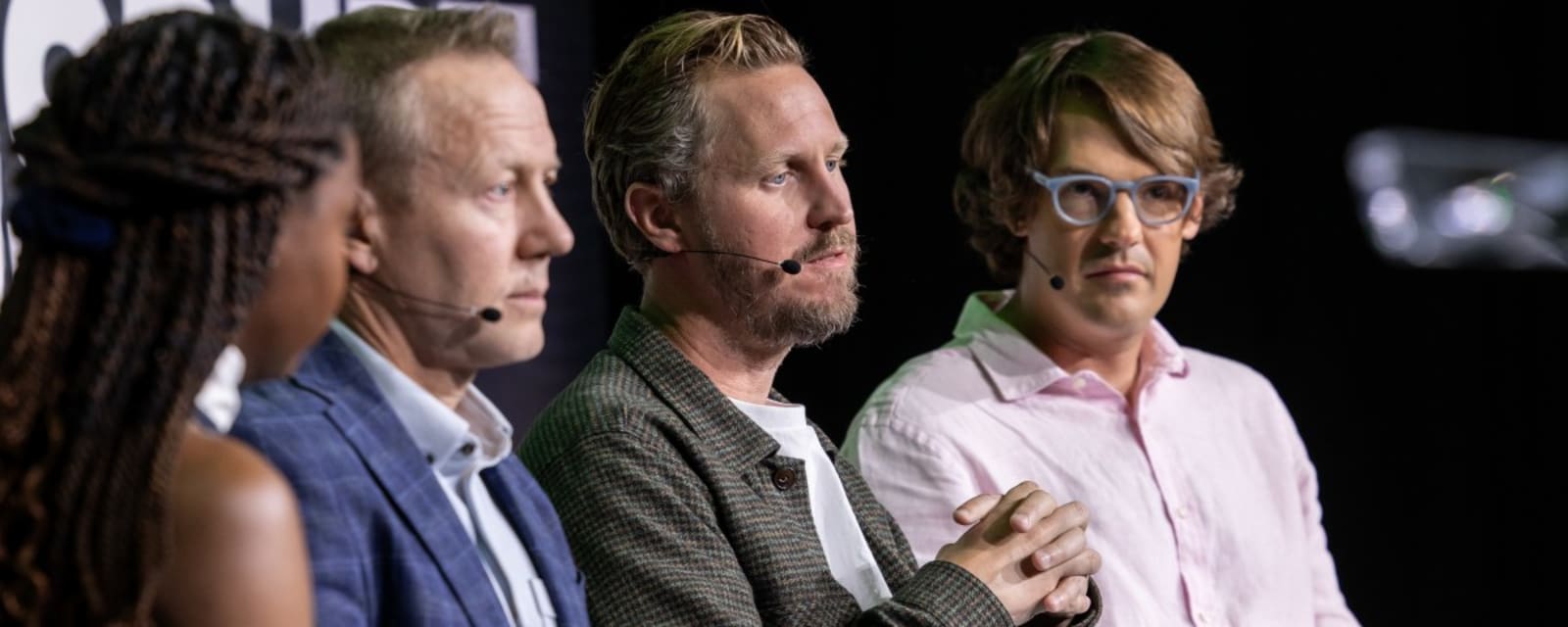
At TechCrunch Disrupt, Lovable go-to-market lead Luke Arno, Ben Broca of the AI platform Polsia, and Theory Ventures partner Tomasz Tunguz outlined how startups should approach the first 90 days after launching a commercial product. The panel framed the issue against a backdrop in which AI has compressed startup timelines, allowing companies to reach high annual recurring revenue figures quickly, sometimes before collapsing months later.
Arno argued that the most important early task is developing "learning density or pattern recognition" about where customers are. He cautioned founders against building a top-down go-to-market motion before the company is ready, and said early revenue alone should not be read as a signal to scale. In his view, a durable go-to-market strategy is one that can be reliably repeated. If each sale requires new tactics, the company has not yet achieved product-market fit, which Broca described as one of the hardest things to find given how easily competitors can copy products.
Lovable, the AI app-building startup, is cited as a reference point for rapid growth. According to the panel's reporting, the company is valued at more than $13 billion by its investors, has passed $600 million in ARR, and has raised more than $700 million to date. Tunguz said that expectations for execution speed are "absolutely tremendous" but that Lovable's trajectory remains the exception, while founders should still move quickly. He noted that far more capital now moves through the startup ecosystem at every stage than when he began investing in 2008.
Broca, whose company uses AI agents to build and run businesses with almost no staff (he says he is its only employee), emphasized customer relationships as the foundation of lasting growth. He said founders can use email and events to build community and that he personally speaks with many of his customers, adding that "the general rule is always to be talking to customers." The panel's consensus was that companies which win over time understand their customers well enough to retain them after market hype fades.
Go deeper than the headline
Research every firm in this story, track the ones that matter and get the daily briefing — free for 7 days.